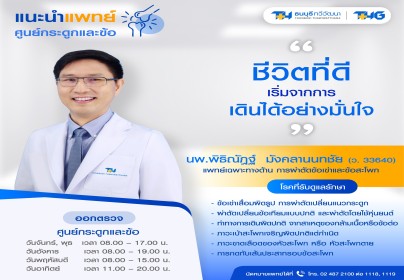





Joint pain, knee pain, and back pain are common problems that can occur at any age, from working adults to older individuals. Many people assume these symptoms are simply signs of fatigue or overuse. However, in reality, they may be warning signs of underlying orthopedic conditions that require proper evaluation and care from the early stages. This article will help you understand which symptoms should not be ignored and when you should seek consultation from an orthopedic specialist.
Common Orthopedic Conditions
Bone and joint disorders can develop from various causes, including aging, repetitive use of the body, injuries, or certain underlying medical conditions. Common conditions include:
Knee osteoarthritis: Common among older adults or individuals who place prolonged stress on their knee joints. Symptoms may include knee pain, stiffness, and difficulty walking.
Back pain and degenerative disc disease: Often found in working-age adults, especially those who sit for long periods or frequently lift heavy objects.
Tendon and muscle inflammation: Usually caused by improper movement, overuse, or excessive exercise.
Arthritis caused by chronic conditions: Such as rheumatoid arthritis, which requires ongoing medical management.
Which Symptoms Should Not Be Ignored?
Mild pain may improve on its own, but you should seek medical evaluation if you experience any of the following:
Chronic joint or knee pain lasting longer than 1–2 weeks
Pain that interferes with daily activities such as walking, sitting, or sleeping
Joint swelling, redness, warmth, or limited movement
Numbness or weakness accompanying the pain
Back pain that radiates down the leg or becomes worse with movement
Early diagnosis can help slow disease progression and increase the chance of successful treatment without surgery.
Treatment Approaches for Orthopedic Conditions
Doctors will determine the most suitable treatment based on the cause and severity of the condition. Treatment options may include:
Medication: To relieve pain and inflammation
Physical therapy: To restore movement and strengthen muscles
Targeted injections: Such as injections into the knee or shoulder joint when appropriate
Minimally Invasive Surgery: For cases requiring surgery, this approach can reduce tissue damage, support faster recovery, and lower the risk of complications
When Should You See an Orthopedic Specialist?
If you experience recurring joint pain or back pain, or if your symptoms do not improve after general treatment, you should consult an orthopedic specialist for a thorough evaluation. A specialist can develop a targeted treatment plan that is appropriate for your condition and individual needs.
The Bone and Joint Center provides comprehensive care for conditions affecting the bones, joints, muscles, and tendons. Our team of orthopedic specialists uses standardized diagnostic technologies and personalized treatment approaches focused on patient safety and quality of life. If you are experiencing joint pain, knee pain, or back pain, do not allow discomfort to interfere with your daily activities. Seeking care today is the first step toward maintaining long-term mobility and a better quality of life.