



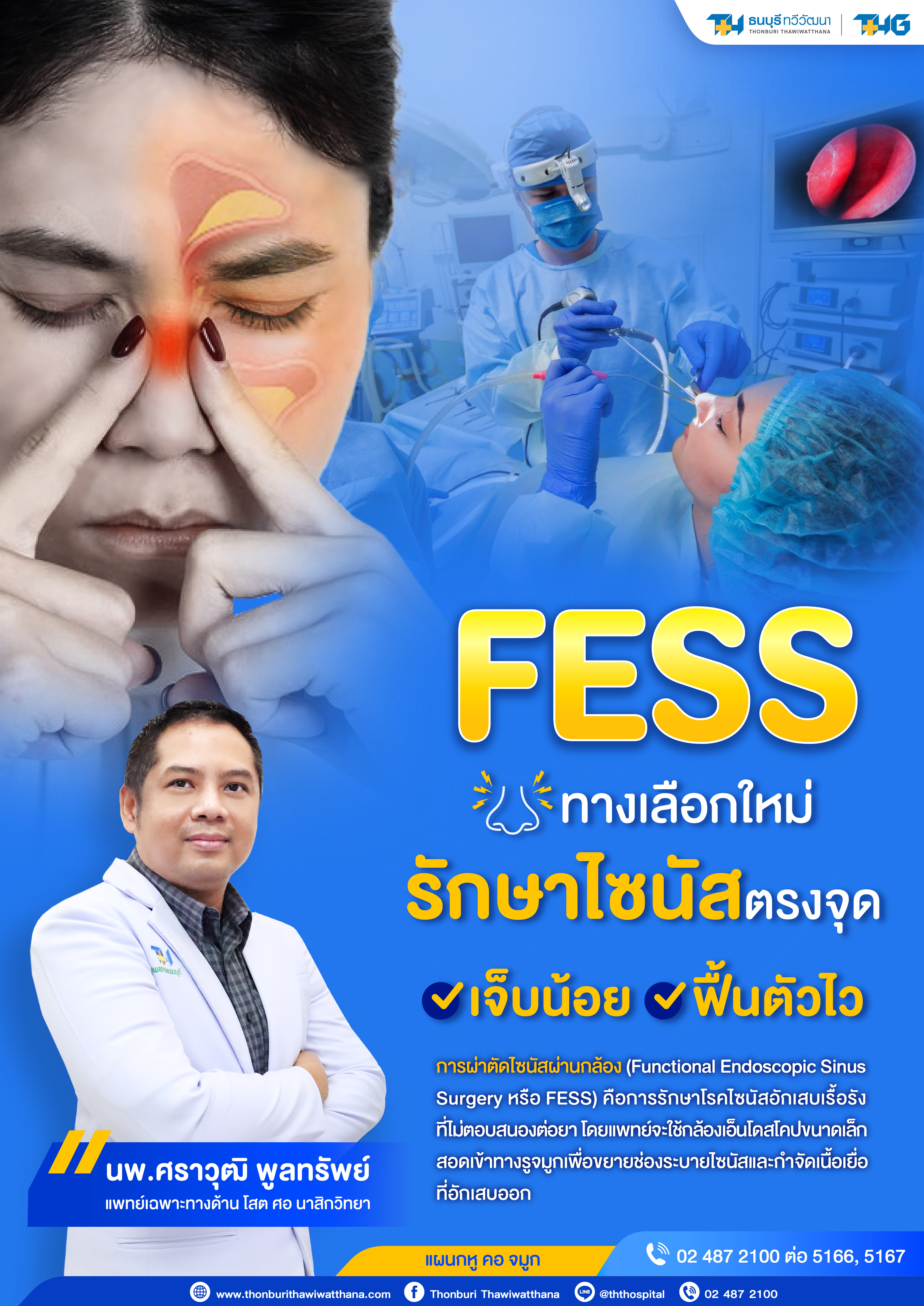
Functional Endoscopic Sinus Surgery (FESS) is a treatment option for patients with chronic sinusitis who do not respond adequately to medication. During the procedure, a doctor inserts a small endoscope through the nostrils to widen the sinus drainage pathways and remove inflamed tissue. The key benefits include no external facial incisions, reduced damage to surrounding healthy tissue, and a faster recovery, allowing patients to return to their normal activities within 1–2 days.
When “Allergies” Progress into “Sinusitis”
Patients with untreated or poorly managed allergic rhinitis have a significantly higher risk of developing chronic sinusitis. When individuals with allergies are exposed to triggers such as dust, pollen, or pet dander, the nasal lining reacts by becoming swollen and producing excessive mucus to trap foreign substances.
Normally, the sinuses (air-filled spaces around the nose) have small drainage openings that allow mucus and air to flow between the sinuses and nasal cavity. However, when swelling of the nasal lining blocks these drainage pathways, the sinuses become trapped spaces. Unable to drain properly, mucus accumulates and creates an ideal environment for bacterial growth.
As a result, clear nasal discharge may become thick yellow or green mucus, while pressure buildup can cause pain around the cheekbones, forehead, or between the eyebrows. This condition is known as sinusitis.
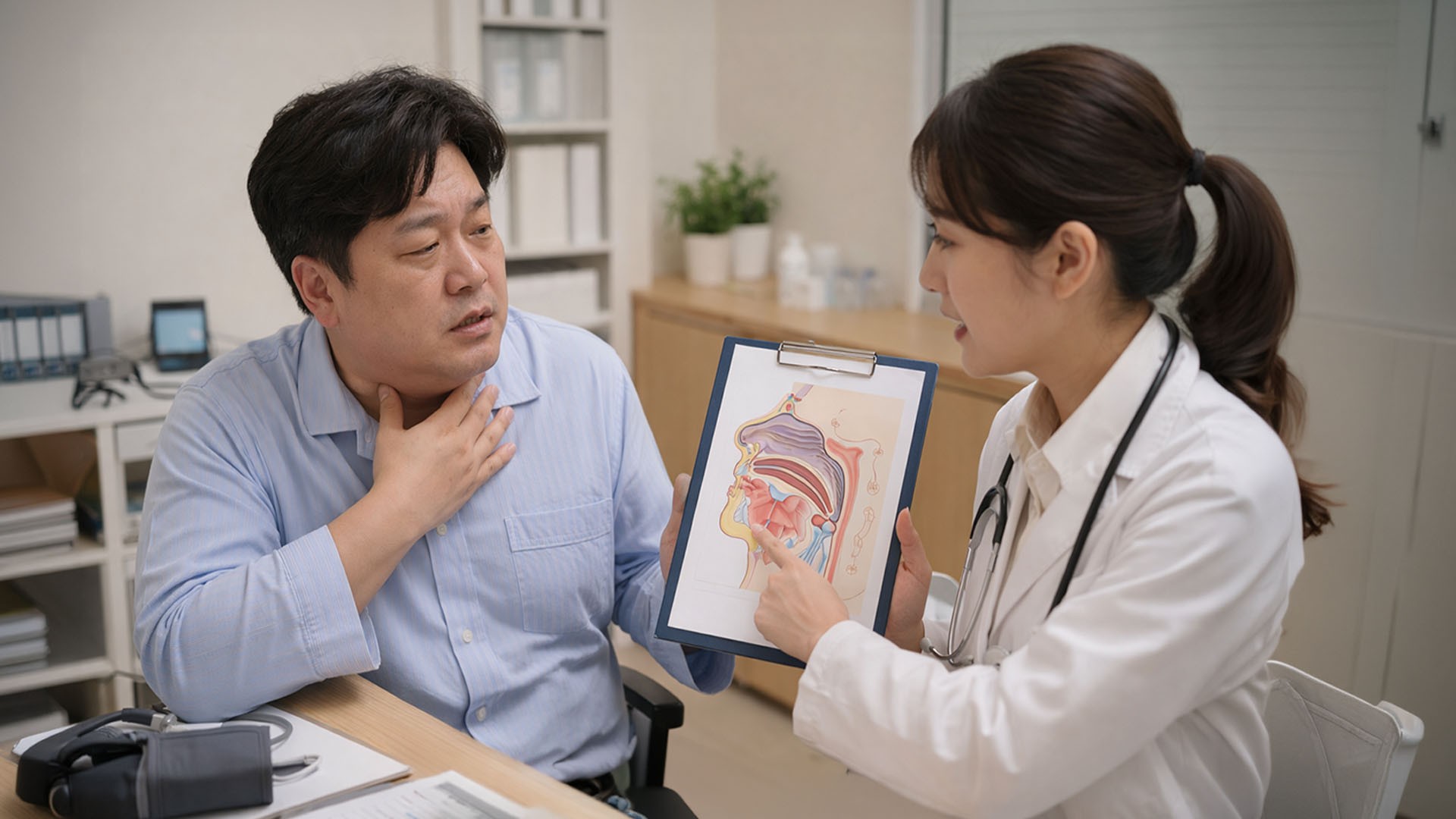
How to Tell the Difference
Frequent sneezing
Itchy eyes
Clear runny nose
Symptoms often occur in the morning or after exposure to triggers
Progression to Sinusitis
Pressure or pain around the face, eyebrows, or forehead
Thick yellow or green nasal discharge
Reduced sense of smell or unpleasant odor in the nose
Possible fever
What Causes Sinusitis to Persist?
A deviated nasal septum or nasal polyps can block normal sinus drainage.
Living in areas with high levels of dust or exposure to cigarette smoke without proper protection can worsen inflammation.
Recurring bacterial or fungal infections, including infections involving drug-resistant organisms due to incomplete antibiotic courses, may contribute to persistent sinus problems.
FESS Technology with Advanced Supporting Tools for Greater Surgical Precision
In the past, sinus surgery often required external incisions under the upper lip or facial skin to access the sinus areas. FESS, however, is performed entirely through the nostrils using high-resolution endoscopic imaging. This allows surgeons to clearly visualize delicate structures such as nerves and blood vessels, helping reduce the risk of complications.
The procedure is performed by experienced ENT specialists skilled in advanced endoscopic techniques for treating nasal and sinus disorders.
Advanced Technology for Targeted Precision
High-Definition Endoscopy
A 4K high-resolution endoscope provides detailed visualization of complex nasal structures and sinus abnormalities from every angle.
Microdebrider
A specialized instrument that gently cuts and removes inflamed tissue or nasal polyps while minimizing trauma and postoperative swelling.
3 Key Advantages That Make FESS Stand Out from Traditional Surgery
FESS focuses on preserving as much of the natural nasal and sinus structure as possible. Instead of removing healthy tissue unnecessarily, surgeons use an endoscope and a Microdebrider to widen narrowed sinus drainage pathways. Once the drainage channels are reopened, trapped mucus and pus can naturally flow out, allowing air circulation to improve and helping the sinus tissues gradually recover without removing them entirely.
The entire procedure is performed through the nostrils, leaving no visible facial scars. Patients typically experience significantly less pain and swelling compared with traditional surgical methods. Most patients require only a short hospital stay, often around one night, and can return to work within a few days depending on their condition and recovery.
Medication alone may only address symptoms in patients with structural problems such as a deviated septum or nasal polyps. FESS helps correct internal structural issues and remove the source of blockage. This allows treatments such as nasal sprays and nasal irrigation after surgery to work more effectively, significantly reducing the chance of recurrent sinus inflammation.
4 Steps for Self-Care After FESS Surgery
1. Avoid Forceful Nose Blowing
During the first 1–2 weeks, mild nasal sounds or congestion may occur. Avoid forceful nose blowing, and do not suppress coughing or sneezing by closing your mouth, as this may increase pressure and bleeding risk.
Follow your doctor’s instructions to remove blood clots and tissue debris, helping wounds heal faster. Ensure all nasal irrigation equipment is clean to prevent infection.
Avoid high-risk environments whenever possible. If exposure cannot be avoided, wear a mask that provides protection against PM2.5 particles when outdoors.
Avoid strenuous exercise or heavy lifting during the first week after surgery and allow your body sufficient time to recover according to your doctor’s recommendations.
Thonburi Thawiwatthana Hospital is committed to caring for patients’ health in every condition. We invite you to consult directly with our team of specialized physicians, because our goal is not only to treat diseases but also to “design a personalized treatment approach that best fits your lifestyle and individual needs.”