





The liver is the largest internal organ in the human body and performs more than 500 essential functions, including filtering toxins, producing bile, storing energy, and supporting metabolism. One of the greatest hidden threats to liver health is viral hepatitis. When left untreated, chronic liver inflammation can gradually damage liver tissue, leading to fibrosis (scarring), cirrhosis, and eventually increasing the risk of liver cancer.
The Department of Gastroenterology and Hepatology at Thonburi Thawiwatthana Hospital invites you to learn more about viral hepatitis so you can protect your liver and maintain long-term health.
Understanding the Most Common Types of Viral Hepatitis
There are several types of hepatitis viruses (A through E). However, the most common and medically significant types in Thailand are:
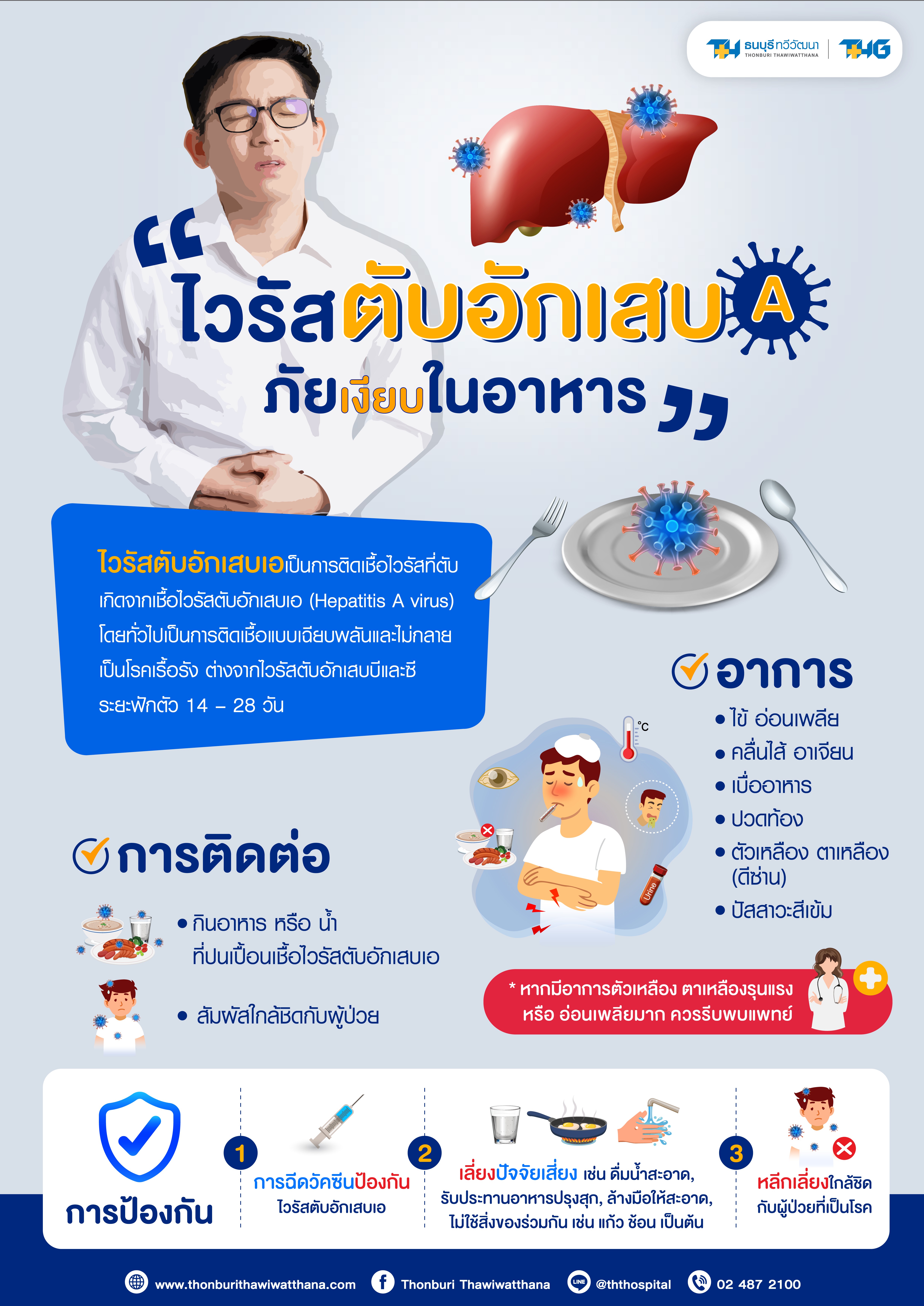
Transmission : Consuming contaminated food or drinking water Sharing contaminated eating utensils Good hygiene practices, including eating properly cooked food, using serving utensils, and washing hands regularly, can significantly reduce the risk of infection.
Clinical Features : Hepatitis A usually causes acute liver inflammation, with symptoms such as fever and jaundice (yellowing of the skin and eyes). Most patients recover completely and develop lifelong immunity. It does not usually progress to chronic liver disease.
Transmission : Contact with infected blood Sharing needles or syringes Tattooing or body piercing using non-sterile equipment Unprotected sexual contact Mother-to-child transmission during childbirth
Why Are They So Concerning?
Unlike Hepatitis A, Hepatitis B and Hepatitis C can become chronic infections. Most infected individuals have no noticeable symptoms during the early stages, allowing the viruses to silently damage the liver over many years or even decades.
What Are the Symptoms of Viral Hepatitis?
For patients with acute hepatitis, common symptoms may include:
Low-grade fever
Fatigue
Loss of appetite
Difficulty sleeping
Nausea and vomiting
Discomfort or pain beneath the right rib cage (where the liver is located)
Dark-colored urine
Yellowing of the skin and eyes (jaundice)
An Important Warning
Patients with chronic viral hepatitis often experience no symptoms at all while liver damage slowly progresses. Many people are not diagnosed until cirrhosis has already developed, at which point symptoms such as abdominal swelling (ascites), leg swelling, or other complications may appear. For this reason, waiting until symptoms develop may mean missing the opportunity for early treatment.
Liver Screening: The Key to Early Detection
Because previous lifestyle factors or unexpected exposures may result in infection without your knowledge, screening is one of the most effective ways to detect viral hepatitis early.
Current standard screening methods include:
Blood tests can detect viral markers and antibodies, including:
These tests allow physicians to accurately determine whether a person has an active infection, has recovered, or has immunity.
For patients diagnosed with chronic hepatitis, physicians may recommend FibroScan®, a non-invasive technology that measures liver stiffness (fibrosis) and liver fat content. FibroScan provides detailed information about the severity of liver disease without the need for a liver biopsy and causes no pain during the examination.
Prevention and Treatment According to Current Medical Standards
Highly effective vaccines are available to prevent Hepatitis A and Hepatitis B. Vaccination is recommended for both children and adults who have not previously developed immunity.
For patients with chronic Hepatitis B or Hepatitis C infection, modern antiviral medications can effectively suppress viral replication, reduce liver inflammation, slow the progression to cirrhosis, and lower the risk of liver cancer. Treatment plans are individualized by liver specialists according to each patient's condition and disease severity.
Protect Your Liver—Start with Screening

Because chronic viral hepatitis often develops without symptoms, routine liver health evaluations and hepatitis screening should never be overlooked.
Screening is especially important for individuals who:
Have a family history of liver disease
Have undergone tattooing, body piercing, or acupuncture
Have a history of blood exposure or other potential risk factors
Have engaged in behaviors that may have increased their risk of infection in the past
Early detection allows treatment to begin before irreversible liver damage occurs.
Take the First Step Toward Better Liver Health
The Department of Gastroenterology and Hepatology at Thonburi Thawiwatthana Hospital (THT) provides comprehensive hepatitis screening, diagnosis, and treatment by experienced specialists using internationally accepted medical standards. Whether you require preventive screening or ongoing management of chronic liver disease, our multidisciplinary team is committed to helping you maintain lifelong liver health.
For more information or to schedule an appointment, please contact the Department of Gastroenterology and Hepatology.