




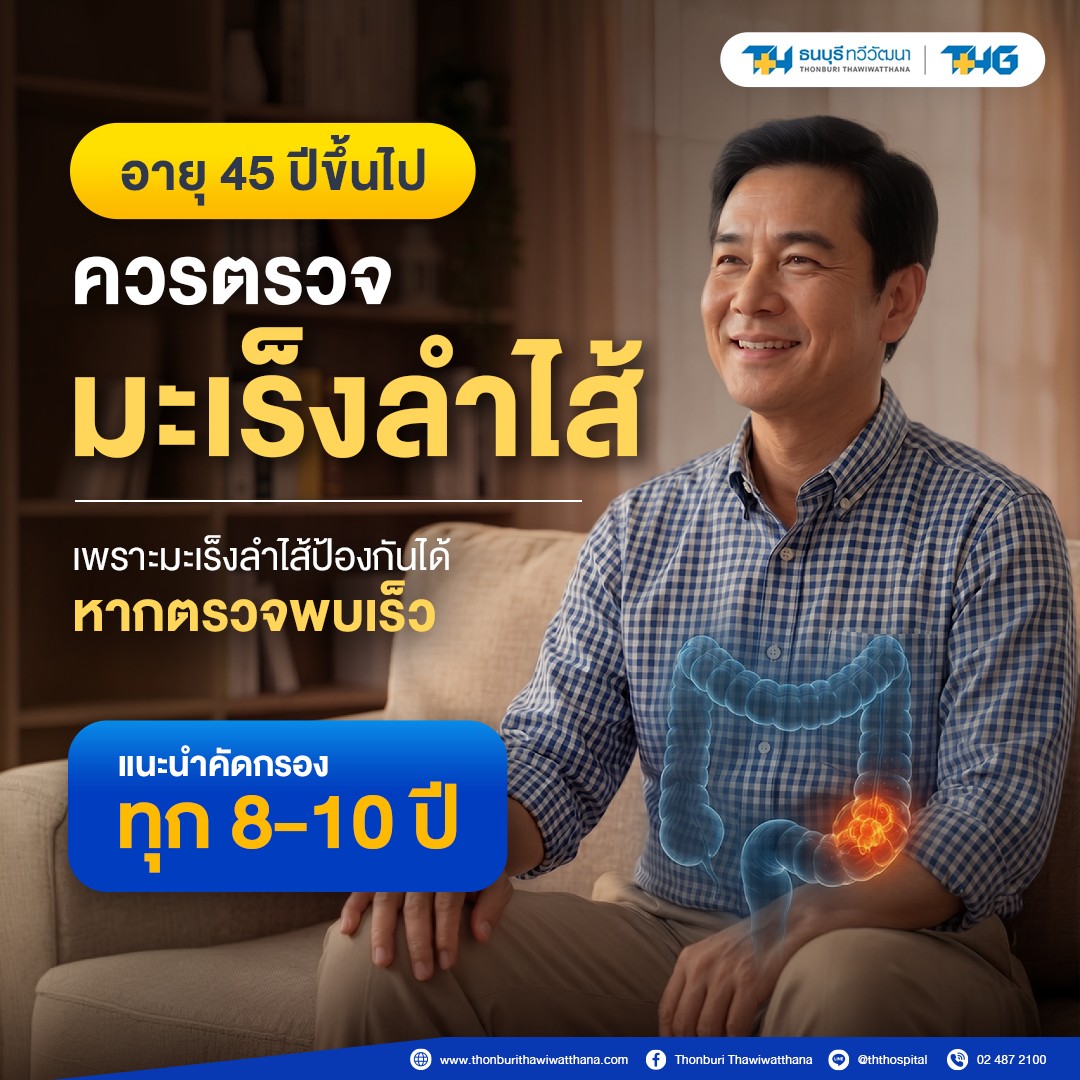
Among the leading causes of cancer-related deaths, colorectal cancer continues to see a steady increase in the number of new cases each year. One of the most concerning aspects of this disease is that it often develops without any noticeable symptoms in its early stages. As a result, many patients are not diagnosed until the cancer has already progressed.
The good news is that colorectal cancer is one of the few types of cancer that can often be prevented or detected before it becomes cancerous through regular screening. Being aware of the risk factors and undergoing routine screening are essential steps in protecting your digestive health and that of your loved ones.
Who Is at Higher Risk of Colorectal Cancer?
Although colorectal cancer can affect anyone, individuals with the following risk factors should pay particular attention to regular screening:
Age: Adults aged 45 years and older, as the risk increases significantly with age.
Family History: Having a first-degree relative (parent, sibling, or child) with colorectal cancer or colorectal polyps.
Dietary Habits: Frequent consumption of red meat, processed meats (such as bacon, sausages, and Chinese sausage), charred or grilled foods, and insufficient intake of fruits and vegetables.
Lifestyle Factors: Smoking, regular alcohol consumption, obesity, or lack of physical activity.
Medical Conditions: Chronic inflammatory bowel diseases (IBD), such as ulcerative colitis or Crohn's disease.
Five Warning Signs Your Colon May Be Sending You
If you or someone close to you experiences any of the following symptoms for more than two weeks, it is important to consult a specialist for further evaluation:
Changes in bowel habits: Persistent constipation, diarrhea, alternating constipation and diarrhea, or a constant feeling of incomplete bowel movements.
Changes in stool appearance: Narrow, pencil-thin stools, which may indicate an obstruction in the colon.
Blood in the stool: Bright red blood, dark-colored blood, or bloody mucus mixed with the stool.
Persistent abdominal discomfort: Frequent abdominal pain, bloating, excessive gas, or cramping.
Other unexplained symptoms: Fatigue, dizziness, anemia, or unintended weight loss.
Screening: The Most Effective Tool for Prevention
Most colorectal cancers begin as small polyps that develop on the lining of the colon. These polyps often take years to become cancerous. Screening allows doctors to detect and remove these precancerous growths before they develop into cancer.
The current standard screening methods include:
|
Screening Method |
Description & Benefits |
Recommended Frequency |
|---|---|---|
|
Fecal Occult Blood Test (FOBT/FIT) |
Detects hidden blood in the stool through laboratory testing. It is simple, non-invasive, and painless. |
Recommended annually for adults aged 45 years and older. |
|
Colonoscopy |
Considered the gold standard for colorectal cancer screening. A flexible camera is used to examine the entire colon, and suspicious polyps can be removed during the same procedure. |
Recommended every 5–10 years, depending on your physician's assessment and previous screening results. |
Healthy Lifestyle Choices for Long-Term Protection
In addition to regular screening at the appropriate age, adopting healthy lifestyle habits can significantly reduce your risk of colorectal cancer. These include:
Eating a high-fiber diet rich in vegetables, fruits, and whole grains.
Limiting processed meats and excessive red meat consumption.
Exercising regularly for at least 150 minutes per week.
Maintaining a healthy body weight.
Colorectal cancer is a disease that can often be detected early, treated effectively, and even prevented through timely screening. Don't wait until symptoms become severe before seeking medical attention.
Take care of your digestive health and that of your loved ones.
Gastroenterology and Hepatology Department Thonburi Thawi Watthana Hospital (THT)