





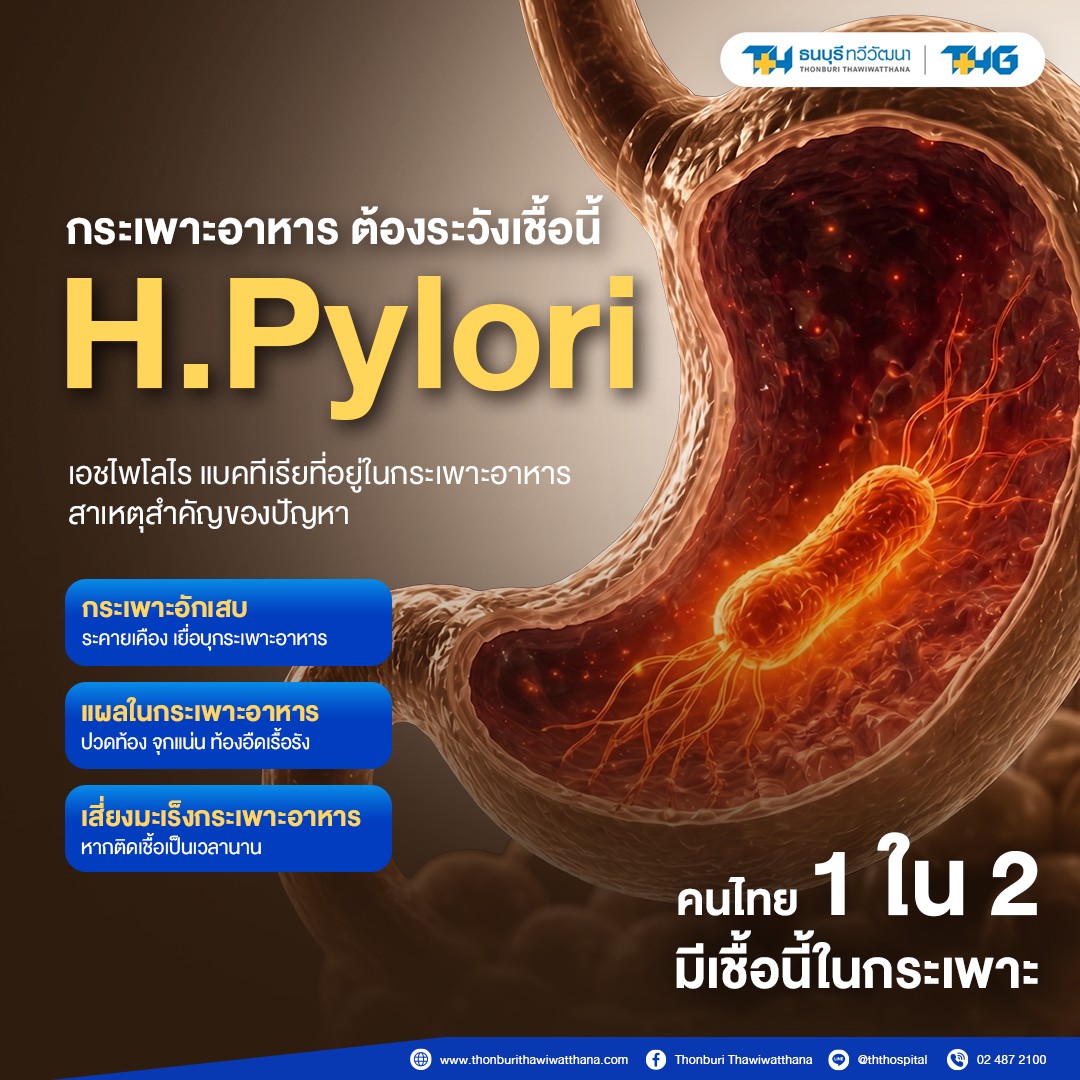
Abdominal pain, indigestion, or a burning sensation in the upper abdomen are symptoms that many people often dismiss as common gastritis caused by irregular eating habits or stress. However, these symptoms may actually be caused by a hidden threat lurking in the stomach—Helicobacter pylori (H. pylori). If left untreated, this bacterium can cause chronic inflammation of the stomach lining, increasing the risk of developing stomach cancer in the future.
What Is H. pylori and Why Is It Dangerous?
Helicobacter pylori (H. pylori) is a type of bacterium that can survive and thrive in the highly acidic environment of the human stomach. It is commonly transmitted through contaminated food or drinking water, or by sharing eating utensils with an infected person.
Once inside the body, H. pylori attaches to the stomach lining and releases substances that trigger inflammation. Most infected individuals do not experience symptoms in the early stages, making the infection difficult to detect without proper testing.
How Can H. pylori Lead to Stomach Cancer?
Not everyone infected with H. pylori will develop stomach cancer. However, medical evidence has identified this bacterium as one of the most significant risk factors. Persistent H. pylori infection can lead to chronic gastritis, causing continuous inflammation of the stomach lining. Over time, repeated inflammation may alter the stomach cells, leading to precancerous changes and, in some cases, eventually progressing to stomach cancer. H. pylori is also the leading cause of gastric ulcers and duodenal ulcers.
Could You Be Infected with H. pylori?
If you experience any of the following symptoms for an extended period, or if your symptoms do not improve despite taking acid-reducing medication, you should consider consulting a physician:
Persistent upper abdominal pain or discomfort
Feeling full quickly after eating only a small amount of food
Frequent burping, acid reflux, nausea, or vomiting
More severe stomach pain during the night
Warning signs requiring immediate medical attention include:
Black, tarry stools
Vomiting blood
Unexplained weight loss
Anemia or unusual fatigue
Screening and Diagnosis
Several diagnostic methods are available for detecting H. pylori infection. Your physician will recommend the most appropriate test based on your symptoms and medical history.
Treatment
If H. pylori infection is confirmed, your physician will recommend an appropriate treatment plan. The standard treatment typically consists of a combination of antibiotics and acid-suppressing medication for approximately 7–14 days, depending on each patient's condition.
It is essential to complete the full course of medication exactly as prescribed to maximize treatment success and reduce the risk of antibiotic resistance. After treatment, your physician may recommend follow-up testing to confirm that the infection has been successfully eradicated.
Protect Your Stomach Health
Preventing H. pylori infection begins with good hygiene practices. Eat thoroughly cooked and hygienically prepared food, drink clean water, wash your hands before meals and after using the restroom, and avoid sharing eating utensils whenever possible.
Persistent stomach pain should never be ignored. If you have ongoing symptoms or risk factors for H. pylori infection, early screening can help physicians assess your risk and provide timely treatment, reducing the likelihood of serious complications, including stomach cancer.
For consultation or more information, please contact : Gastroenterology and Hepatology Department
Thonburi ThawiWatthana Hospital (THT)