




Many people mistakenly believe that liver diseases, such as hepatitis or cirrhosis, only occur in individuals who regularly consume alcohol. However, in reality, cases of Non-Alcoholic Fatty Liver Disease (NAFLD) are increasing worldwide.
NAFLD is often considered a silent threat because it may gradually develop without noticeable symptoms in the early stages. If left untreated and lifestyle habits are not modified, it can progress to chronic liver inflammation, liver fibrosis, and eventually increase the risk of cirrhosis.
What Is Fatty Liver Disease?
Fatty liver disease occurs when excessive fat, particularly triglycerides, accumulates inside liver cells. This happens when the body receives more nutrients than it can burn, causing excess energy to be converted into fat and stored in the liver.
When fat accumulation exceeds approximately 5–10% of the liver’s weight, it may begin to affect liver function and trigger inflammatory processes.
Understanding the 4 Stages of Fatty Liver Disease
Medically, fatty liver disease can be divided into four main stages:
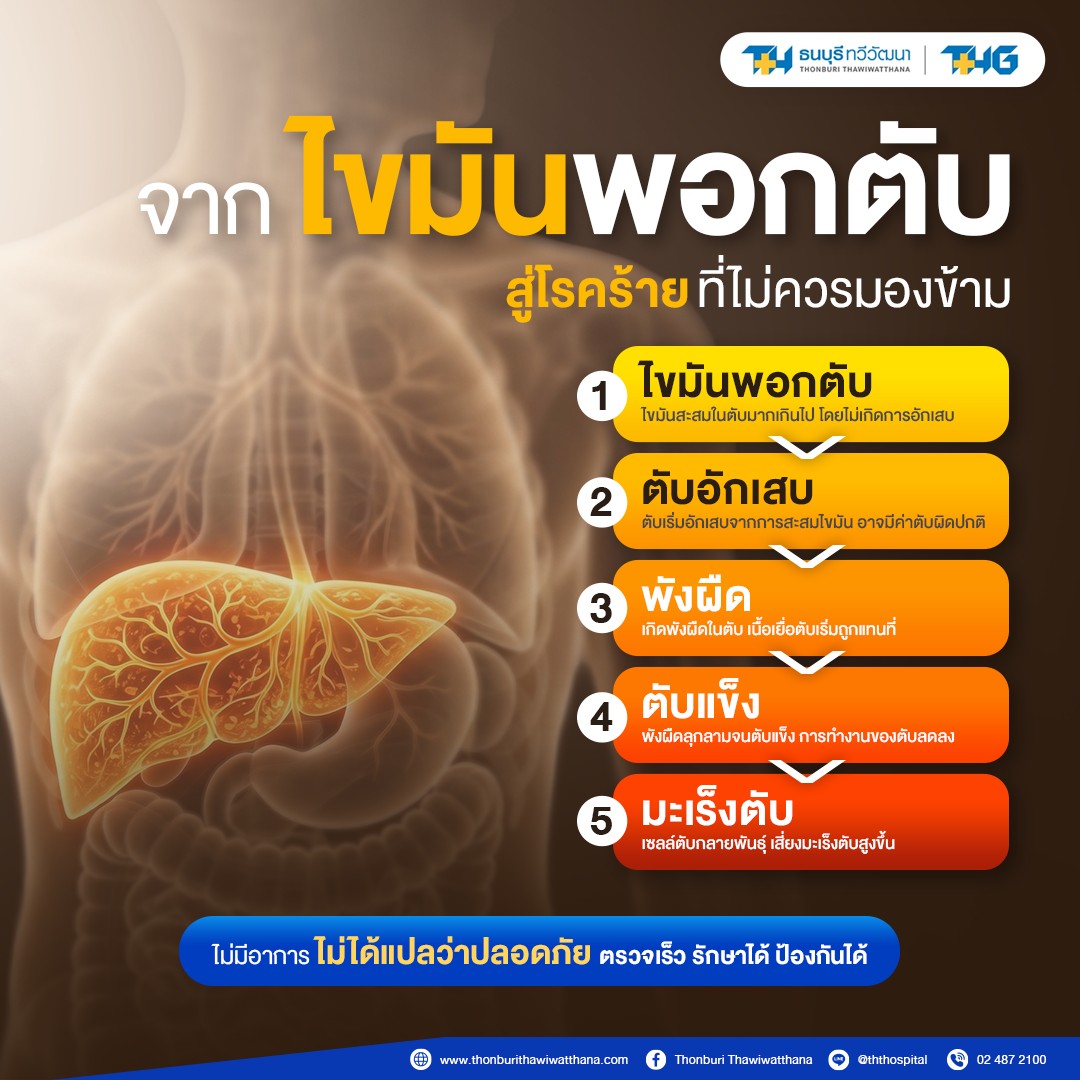
Fat accumulates in liver cells, but there is no significant inflammation at this stage.
Fat accumulation begins to trigger inflammation in liver cells. If this condition continues for more than six months, liver cells may gradually become damaged.
Chronic inflammation causes scar tissue formation, leading to the accumulation of fibrosis within the liver.
Extensive fibrosis replaces healthy liver tissue, causing the liver to lose its ability to function properly. This can lead to cirrhosis and increase the risk of developing liver cancer.
Are You at Risk of Fatty Liver Disease?
Because fatty liver disease often has no obvious symptoms in the early stages, some people may only experience mild fatigue, bloating, or discomfort in the upper right abdomen.
Checking your risk factors is therefore important, especially if you:
Advanced Screening Technology for Fatty Liver Disease
In the past, liver health assessments mainly relied on blood tests for liver enzymes (SGOT/SGPT) or basic ultrasound examinations.
Today, the Gastroenterology and Hepatology Center at Thonburi Thawi Watthana Hospital provides advanced technology to improve the accuracy of liver assessment, including:
The procedure is painless, does not involve radiation exposure, and does not require a liver biopsy. The results help physicians create an appropriate and personalized treatment plan for each patient.
Lifestyle Changes and Self-Care Recommendations
During the early stages (Stages 1–2), the liver has a strong ability to repair itself. Early detection and proper lifestyle modifications guided by a specialist can help improve liver health and potentially restore normal liver function.
Key recommendations include:
Dietary Changes
- Limit foods high in fructose, such as soft drinks, ready-to-drink fruit juices, and bubble milk tea
- Reduce fried and high-fat foods
- Increase fiber intake from vegetables and whole grains
Protect Your Liver Before It Is Too Late
Regular health check-ups and liver risk assessments—especially for individuals with chronic conditions or abdominal obesity—can help detect problems early and allow timely management before liver inflammation progresses to irreversible damage.
Protect your liver health with confidence at:Gastroenterology and Hepatology Department Thonburi Thawi Watthana Hospital (THT)