






TURBT (Transurethral Resection of Bladder Tumor) is a minimally invasive surgical procedure that uses a scope inserted through the urethra to remove or resect a bladder tumor without the need for an abdominal incision.
TURBT serves both diagnostic and therapeutic purposes, allowing doctors to remove the tumor while obtaining tissue for pathological examination to determine the type and stage of the disease. It is commonly used for bladder tumors that have not invaded the muscle layer of the bladder.
The main advantages include less tissue trauma, faster recovery, and a lower risk of complications associated with major open surgery.
The Silent Warning Sign Hidden in the Color of Your Urine
One of the most concerning urinary symptoms is painless blood in the urine (hematuria). Normally, if blood in the urine is accompanied by burning or pain, it may suggest conditions such as bladder inflammation or a urinary tract infection. Severe, cramping pain may also be associated with urinary stones. However, if your urine suddenly appears bright red, pink, or reddish like diluted blood, without pain, burning during urination, or fever, this may be an important warning sign of a tumor or cancer in the urinary tract and should not be ignored.
What Symptoms Are Considered Warning Signs?
Blood in the urine (Hematuria): The urine may appear bright red or reddish, sometimes without any pain.
Abnormal urination : Burning or discomfort during urination, a feeling of incomplete bladder emptying, or frequent lower abdominal discomfort.
Recurring changes in urine color : Even if the discoloration becomes lighter or disappears, recurrent episodes should be evaluated by a doctor and may require further investigation, including cystoscopy.
The most concerning symptom is painless hematuria. Although it does not necessarily mean cancer, it can be an important warning sign of a bladder tumor or bladder cancer. If your urine appears red, pink, or blood-colored—even if it happens only once and then disappears—you should seek medical evaluation promptly. A urologist may recommend cystoscopy and other appropriate tests to determine the cause.
Understanding Urine Color : Which Changes Should You Watch?
Pink or light red : May indicate a small amount of blood in the urine, which can occur with inflammation, urinary stones, or urinary tract tumors.
Bright red with blood clots : May indicate more significant bleeding and requires prompt medical evaluation.
Dark brown or cola-colored : May have several possible causes, including old blood or conditions affecting the kidneys or liver.
Very dark yellow : Often caused by dehydration, but persistent changes—especially when accompanied by other symptoms—should be evaluated by a doctor.
Who Is at Higher Risk?
Urinary tract tumors and bladder cancer are more common in men than women and are more frequently diagnosed in older adults. Smoking is a major risk factor for bladder cancer and can significantly increase the risk.
Important Risk Factors
Age: The risk increases with age, particularly among older adults.
Smoking: People with a long history of smoking have a higher risk of bladder cancer.
Occupational exposure: Workers exposed to certain chemicals used in industries such as dyes, rubber, textiles, and leather may have an increased risk.
Chronic urinary tract irritation: Long-term urinary catheter use or recurrent bladder stones may increase the risk in some patients.
Why Is Follow - Up After TURBT Important ?
Bladder tumors, particularly non-muscle-invasive bladder cancer, can recur after treatment. Therefore, regular follow-up after TURBT (Transurethral Resection of Bladder Tumor) is important. The frequency of follow-up examinations, including cystoscopy, depends on the tumor's pathology, grade, stage, and individual risk factors.
Important : Urine color alone cannot determine whether a tumor or cancer is present. Any unexplained blood in the urine—even if it occurs only once—should be evaluated by a healthcare professional.
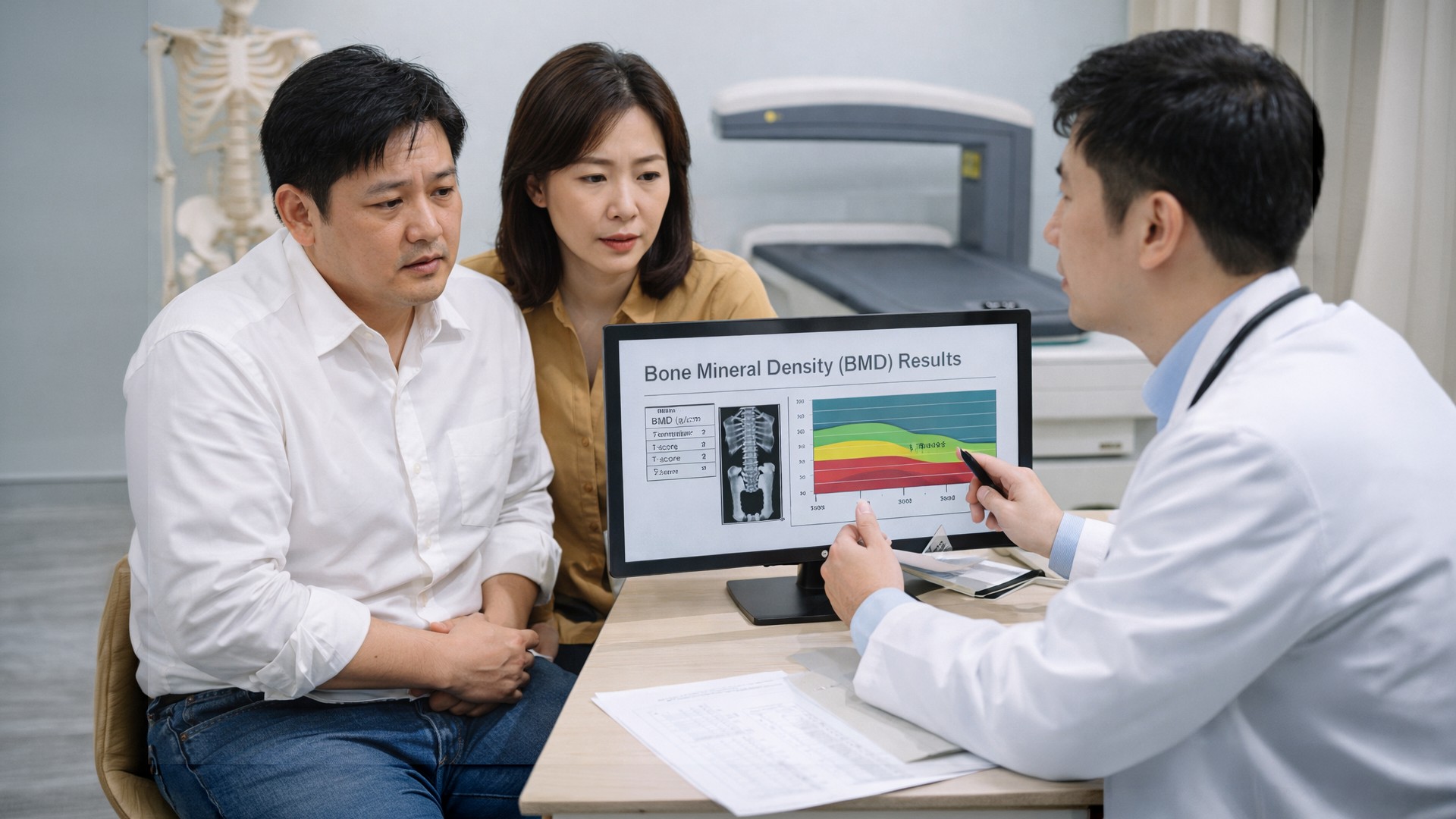
TURBT: An Effective Treatment Option for Patients
TURBT (Transurethral Resection of Bladder Tumor) is not only a treatment procedure but also an important method for identifying the cause and characteristics of a bladder tumor in the same procedure. The surgeon removes tumor tissue for pathological examination to determine the type, grade, and stage of the disease, while simultaneously removing the visible tumor.
Unlike traditional open abdominal surgery, TURBT is performed through the natural urinary passage (the urethra), meaning there is no external incision on the skin. This minimally invasive approach can help reduce tissue trauma and promote a faster recovery.
Using advanced HD/4K imaging technology, the doctor inserts a small specialized instrument called a resectoscope through the urethra. The camera displays a magnified, high-resolution view of the bladder on a monitor, allowing the surgeon to clearly identify the tumor. An electrical resection loop is then used to carefully remove the abnormal tissue layer by layer, including the tumor base when appropriate.
This allows TURBT to serve two important purposes at once: removing the tumor and obtaining tissue for an accurate pathological diagnosis, which helps doctors determine the most appropriate treatment and follow-up plan for each patient.
Preoperative Instructions
Post-TURBT Care : Supporting a Complete Recovery
Urinary Catheter : After surgery, a urinary catheter may be kept in place for 1–3 days to help flush out blood clots and allow the bladder to heal.
Drink Plenty of Water : It is generally recommended to drink 2–3 liters of water per day to help flush the bladder and reduce the risk of infection, unless your doctor has advised you to restrict your fluid intake.
Monitor Your Urine : Mild blood in the urine may occur during the first week. If you experience heavy bleeding, blood clots, or difficulty passing urine, seek medical attention immediately.
Avoid Heavy Lifting : Avoid lifting heavy objects or strenuous activities for approximately 2–4 weeks to allow the internal surgical site to heal properly.
Thonburi Thawiwatthana Hospital is committed to providing comprehensive care for patients throughout every stage of their treatment. We invite you to consult directly with our highly experienced urologists, supported by advanced endoscopic technology, to ensure accurate and safe diagnosis and treatment under close medical supervision—from diagnosis through recovery.Because our goal is not only to treat the disease, but also to “design a treatment approach that best suits your condition, lifestyle, and individual needs.”