





Appendicitis is a medical emergency caused by an obstruction of the appendix, which can rapidly lead to infection and inflammation. The key warning sign to watch for is abdominal pain that initially begins around the navel and then shifts to the lower right abdomen, where it may become increasingly severe. Other common symptoms include fever, nausea, and loss of appetite.
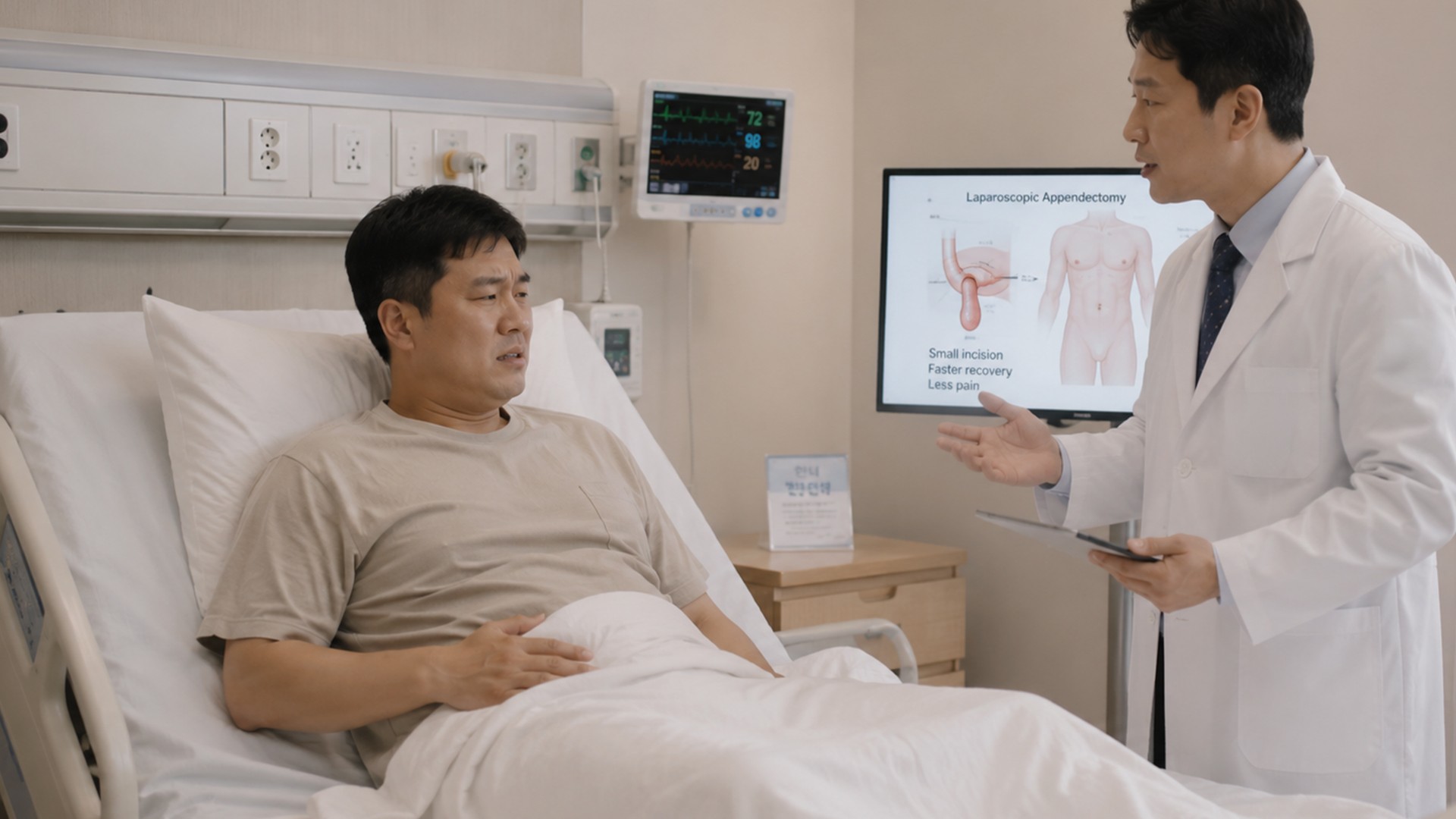
Laparoscopic Appendectomy is a minimally invasive surgical technique that uses small incisions to remove the inflamed appendix. Compared with traditional open abdominal surgery, it generally causes less tissue trauma, may reduce the risk of wound-related complications, and can help patients return to their normal daily activities more quickly.
Where Does Appendicitis Pain Start? Understanding the Timeline
Many people mistakenly believe that appendicitis always causes pain on the lower right side of the abdomen from the beginning. In reality, the pain often follows a characteristic timeline:
Early stage : A vague, dull, or cramping pain may develop around the navel or upper abdomen (epigastric area). It can feel similar to indigestion, bloating, or abdominal discomfort, making it difficult to pinpoint the exact location.
Progressive stage (within several hours) : The pain may gradually shift to the lower right side of the abdomen and become more severe and localized. The pain may worsen when walking, coughing, sneezing, or moving, and some patients may find it difficult to stand or walk upright.
What Other Symptoms Should You Watch for Before Seeking Medical Care ?
Fever : A low-grade to high fever may occur. A very high fever may indicate a more advanced infection or a complication such as a ruptured appendix or abscess.
Severe loss of appetite : You may have little or no desire to eat.
If abdominal pain persists for more than 24–36 hours without medical evaluation and treatment, the risk of complications such as appendiceal rupture may increase. A ruptured appendix can lead to serious infection, including sepsis, which can be life-threatening.
If you experience worsening abdominal pain, persistent vomiting, high fever, or severe tenderness—especially pain that has localized to the lower right abdomen—seek medical attention promptly.
Minimally Invasive Surgery (MIS) has significantly transformed the treatment of acute appendicitis, offering an effective and less invasive approach for appropriately selected patients. Key advantages include:
Tiny Incisions, Less Postoperative Pain
Traditional open surgery : The surgeon makes a larger incision in the lower right abdomen to access and remove the appendix. This involves greater disruption to the surrounding tissues and abdominal wall, and patients may experience more pain when moving, coughing, or sneezing after surgery.
Reduced Risk of Infection and Abdominal Adhesions
Because laparoscopic instruments and cameras are small, there is less direct manipulation of surrounding internal organs compared with traditional open surgery.
The technique also minimizes prolonged exposure of the abdominal cavity to the external environment, which may help reduce the risk of postoperative wound infection and abdominal adhesions.
Better Management of a Ruptured or Abscessed Appendix
It is a common misconception that a ruptured appendix always requires open surgery. In many appropriately selected cases, Minimally Invasive Surgery (MIS) can offer important advantages. Using a laparoscopic camera, the surgeon can inspect the abdominal cavity and identify areas where pus or infected fluid may have collected. Specialized instruments can then be used to remove infected material and irrigate the abdominal cavity (peritoneal lavage) when appropriate. This may help achieve effective source control and reduce the risk of postoperative intra-abdominal abscesses.
Clear Visualization for Greater Precision and Diagnosis
Right lower abdominal pain is not always caused by appendicitis, particularly in women, where conditions such as a ruptured ovarian cyst or pelvic inflammatory disease may produce similar symptoms.
High-definition laparoscopic systems, including 4K or 3D imaging, can provide an enlarged and detailed view of the abdominal organs, helping surgeons assess the source of the problem more accurately.
If the appendix appears normal but another abnormality is identified, such as a problem involving the ovaries or fallopian tubes, the surgical team may be able to address the condition during the same procedure when clinically appropriate, avoiding an additional open abdominal operation.
Faster Recovery and Earlier Return to Daily Life
Because laparoscopic surgery uses smaller incisions and causes less disruption to the abdominal wall:
Patients may be able to get out of bed, sit up, and walk to the bathroom within 24 hours, depending on their condition.
Hospital stays may be shorter, often around 1–2 days, although this varies depending on the severity of appendicitis and individual recovery.
Students and office workers may be able to return to normal daily activities or desk work sooner, sometimes within 1–2 weeks, while strenuous activities may need to be avoided for longer according to the surgeon’s recommendations.
Recovery time and the suitability of laparoscopic surgery vary from patient to patient, particularly in cases of complicated or ruptured appendicitis. The surgical team will determine the most appropriate approach based on the individual’s condition.

Preparation and What to Do
Avoid food and drinks if appendicitis is suspected : If you develop symptoms suggestive of appendicitis, seek medical attention promptly. Depending on the circumstances and the possibility of emergency surgery, your medical team may advise you to avoid eating or drinking.
After Laparoscopic Appendectomy
Wound care : Keep the surgical wounds clean and dry according to your doctor’s instructions until your follow-up appointment.
Early Diagnosis Matters
Acute appendicitis is a time-sensitive condition. The earlier it is diagnosed—before the appendix ruptures and infection spreads—the easier and safer treatment generally becomes, with less tissue damage and a lower risk of complications. The goal of laparoscopic surgery is not simply to achieve smaller scars. Its key benefits include reducing postoperative discomfort, minimizing tissue trauma, and helping patients return to normal bowel function and daily activities more quickly.
Thonburi Thawiwatthana Hospital is committed to providing comprehensive care for patients with acute appendicitis. Our team includes surgeons experienced in laparoscopic procedures, supported by diagnostic services and technologies such as ultrasound and computed tomography (CT) scans to help provide timely and accurate diagnosis and treatment.If you experience symptoms that may indicate appendicitis, please seek evaluation from a qualified medical professional promptly so that the appropriate diagnosis and treatment plan can be determined safely.