




Radiofrequency (RF) treatment is a minimally invasive medical procedure that uses radiofrequency energy to generate controlled heat. This energy is applied to enlarged nasal tissue or, in selected cases, the soft palate or base of the tongue, causing the targeted tissue to shrink and become more compact. This can help widen the airway, relieve chronic nasal congestion, and reduce snoring.RF treatment is generally associated with minimal discomfort, no external surgical incision, and a relatively short procedure time of approximately 15–30 minutes. In many cases, patients can return home on the same day without hospital admission.
How Does Nasal RF Work?
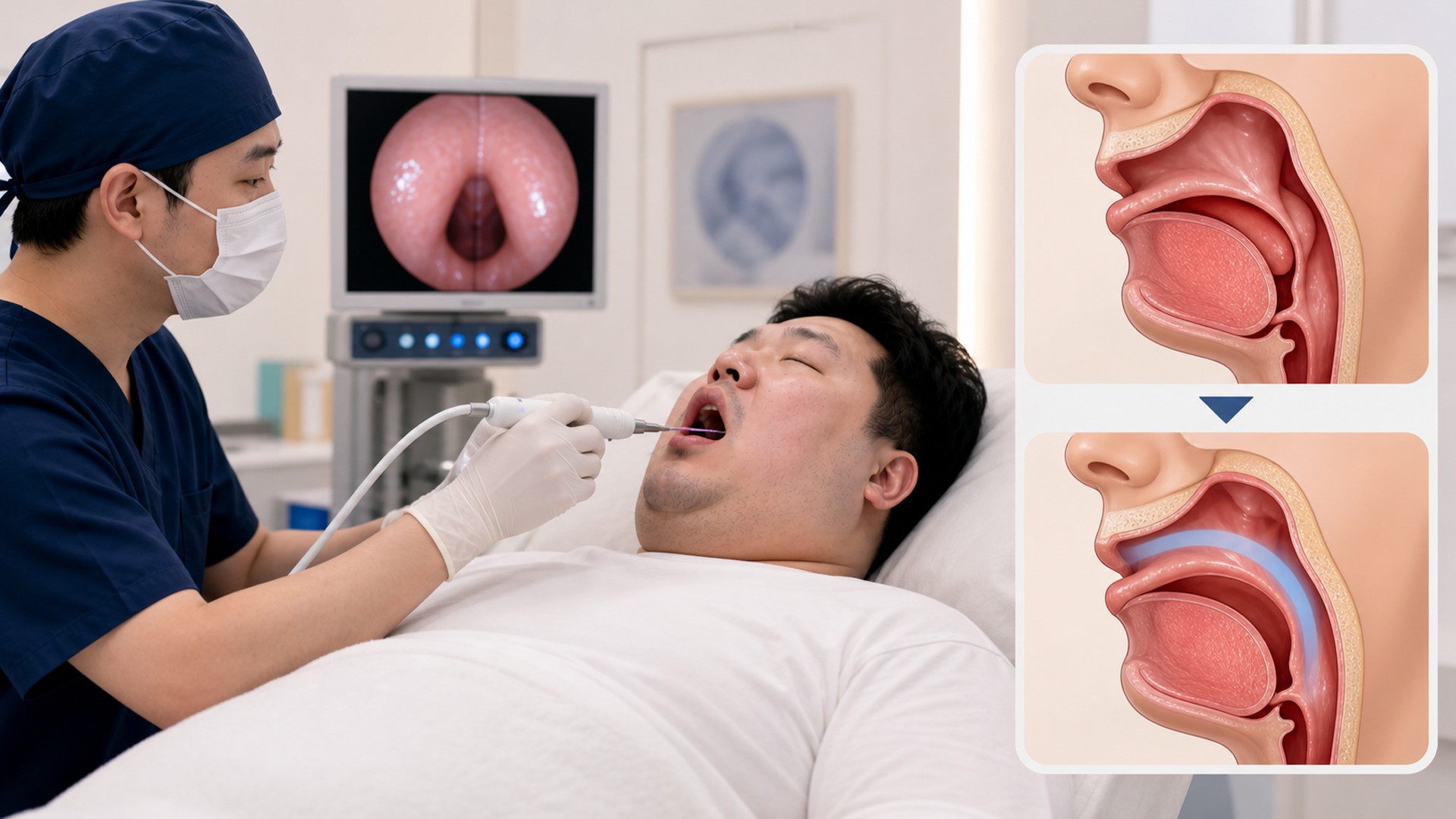
Radiofrequency Tissue Ablation uses a small probe to deliver controlled radiofrequency energy beneath the nasal mucosa. The resulting heat causes enlarged tissue that is obstructing the airway to gradually shrink and tighten.
Expected benefits : A wider nasal airway, improved nasal breathing, reduced nasal congestion associated with allergies, and, in appropriately selected patients, reduced mild snoring.
Key Advantages
Conditions That May Benefit Most from RF Treatment
RF treatment may provide the most noticeable benefits in the following situations:
Chronic nasal congestion caused by allergies : Particularly in patients with enlarged nasal tissue that narrows the nasal passages and does not respond adequately to medications or nasal sprays. RF can reduce the volume of the tissue and improve nasal airflow.
Mild to moderate snoring : When snoring is associated with vibration of the soft palate or enlargement of the base of the tongue, RF treatment to the appropriate area may help tighten the tissue and reduce vibration during sleep.
Mild obstructive sleep apnea (OSA): RF may help reduce upper-airway obstruction and improve airflow. In some patients, it may be used alongside CPAP therapy to improve comfort and tolerance of treatment.
Preparation and Aftercare for RF Treatment
Before Treatment
After Treatment
Thonburi Thawiwatthana Hospital is committed to providing comprehensive care for patients with nasal congestion, snoring, and sleep-related breathing problems.Our specialized Ear, Nose and Throat (ENT) medical team is experienced in RF treatment and uses modern RF technology with precise energy control to help minimize the risk of damage to surrounding tissues. A detailed evaluation is performed before treatment to determine whether RF is an appropriate option for each patient. Because our goal is not simply to treat the condition, but to “design a treatment approach that best suits your condition, lifestyle, and individual needs.”