




Polycystic Ovary Syndrome (PCOS), also referred to as Polyendocrine Metabolic Ovarian Syndrome (PMOS), and ovarian cysts are two reproductive health conditions that are often confused. PCOS is a syndrome involving abnormalities of the ovaries and endocrine system. It is associated with multiple small follicles in the ovaries, which may lead to irregular menstrual cycles, elevated androgen levels, and insulin resistance. In contrast, an ovarian cyst is a fluid-filled sac that develops or enlarges abnormally in or on the ovary.
Current treatment options for PCOS range from lifestyle modifications and hormonal medications to minimally invasive surgery (MIS), when appropriate, to treat ovarian cysts or other ovarian conditions while preserving as much healthy ovarian tissue as possible.
A Silent Threat to Women's Health
PCOS is one of the leading causes of anovulatory infertility, as it can prevent ovulation from occurring regularly. An estimated 8–13% of women of reproductive age worldwide are affected by PCOS, and, concerningly, more than 70% of women with the condition may remain undiagnosed.
Women with PCOS also have a significantly increased risk of developing type 2 diabetes, with some studies reporting up to a fourfold higher risk compared with women without PCOS. This increased risk is associated with underlying insulin resistance, which may be present even before symptoms become apparent.
How Do PCOS Symptoms Differ from Those of Typical Ovarian Cysts?
Key signs every woman should know to help assess her risk initially.
Common symptoms of PCOS (polycystic ovary syndrome)
Menstrual periods that are very far apart (for example, occurring only once every 2–3 months) or absent periods
Oily skin and a tendency to develop acne
Excessive hair growth on the body, such as facial hair or chest hair, in a male-pattern distribution
Easy weight gain or difficulty losing weight
Common features of ovarian cysts (single cysts)
Small ovarian cysts often cause no symptoms and may be discovered incidentally during an ultrasound examination.
Larger or symptomatic cysts may cause pelvic pain, abdominal discomfort, bloating, or changes in menstrual patterns, depending on the type and size of the cyst.
Who Is at Higher Risk? When Do the Ovaries Send a Warning Signal?
Treatment Approaches and Technology : Personalized Care
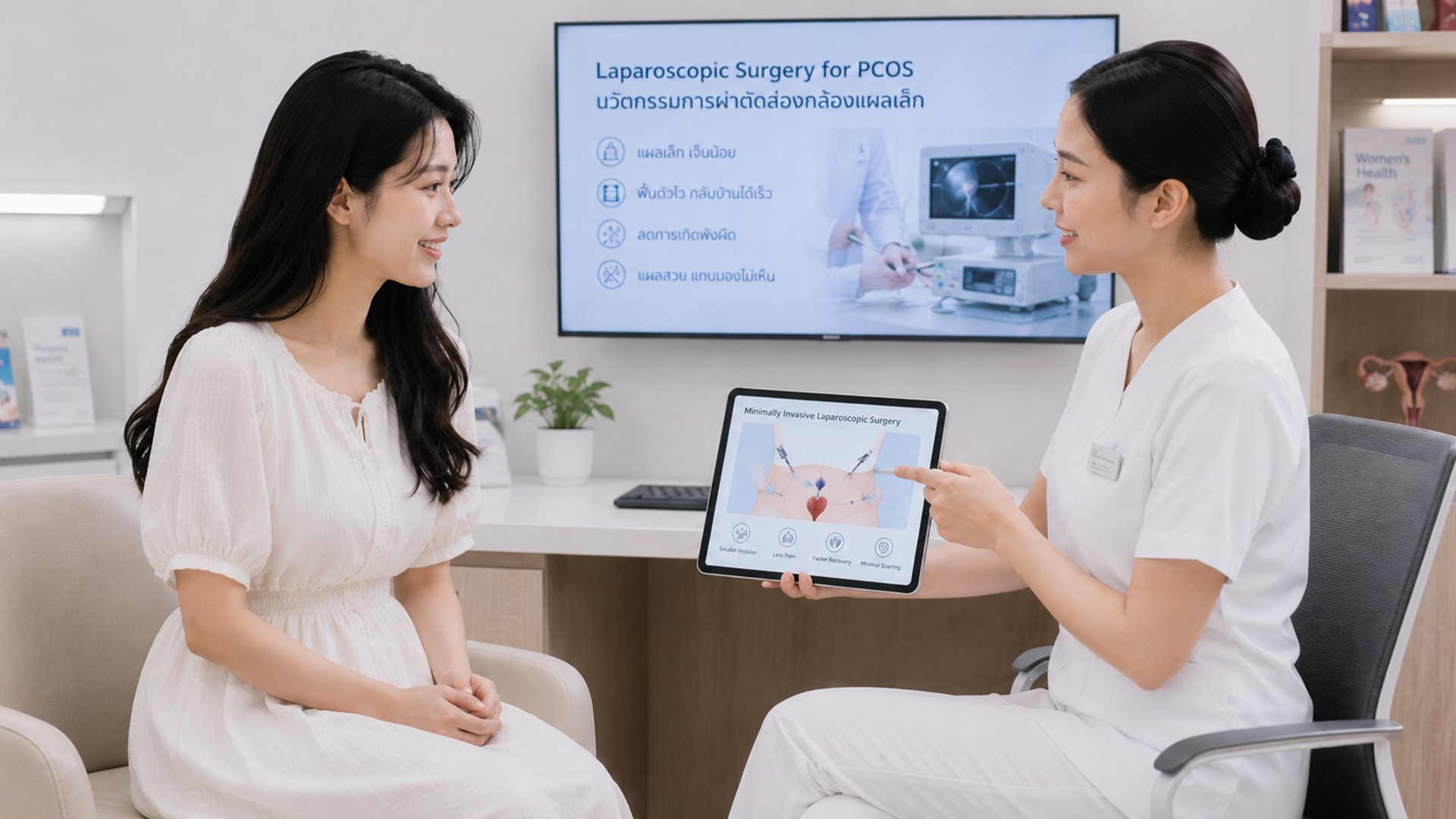
Personalized Treatment Tailored to Each Patient’s Goals Our hospital focuses on targeted, personalized treatment plans that are tailored to each patient’s individual needs and goals, whether the goal is to achieve pregnancy or regulate menstrual cycles. Our approach includes:
1. Medical & Lifestyle Management
Women Today Should Have Their Reproductive Health Checked Regularly
“PCOS and ovarian cysts are not simply conditions affecting the reproductive system. They may also signal underlying hormonal and metabolic imbalances that can affect overall health.” Regular gynecological examinations and ultrasound screening can help detect abnormalities at an early stage. Early assessment allows women and their healthcare providers to develop appropriate lifestyle modifications and treatment plans before the condition affects fertility or contributes to other long-term health problems.
Preparing for Your Examination and Treatment
Before Your Evaluation
Keep a detailed record of your menstrual cycles, including the first day of each period, duration, and interval between cycles.
Take note of any unusual symptoms, such as unexplained weight gain or lower abdominal/pelvic pain, including pain during sexual intercourse, and inform your doctor.
If you are scheduled for a transabdominal ultrasound, you may be advised to drink water and have a full bladder beforehand to improve visualization of the uterus and ovaries. Follow the specific preparation instructions provided by your healthcare team.
Comprehensive Care at Thonburi Thawiwatthana Hospital
At Thonburi Thawiwatthana Hospital, we are committed to providing comprehensive care for women at every stage of their health journey. Our multidisciplinary team includes specialists in Obstetrics and Gynecology and Endocrinology, working collaboratively to provide individualized care. We also offer advanced diagnostic and surgical technologies, including 4D ultrasound and internationally standardized laparoscopic surgical facilities, to support accurate diagnosis and appropriate treatment. Our goal is to help every woman regain confidence in her health and safely return to the lifestyle she loves, with personalized care focused on long-term well-being and quality of life.