



Severe Menstrual Pain: A Warning Sign That Should Not Be Ignored Menstrual pain that gradually becomes more severe, to the point where you need to take large amounts of pain medication every month, should not be considered a normal part of menstruation. Pain that radiates to the lower back, extends to the thighs or groin, or causes rectal pain may be an important warning sign of endometriosis, including ovarian endometriomas, commonly known as chocolate cysts. It may also be associated with adenomyosis, a condition in which endometrial-like tissue grows within the muscular wall of the uterus.
If these conditions are left untreated without evaluation by a gynecologist, an ovarian endometrioma may continue to grow and, in some cases, rupture. Endometriosis can also increase the risk of infertility and cause adhesions that may pull on or affect organs within the abdominal and pelvic cavities.
When surgery is indicated, laparoscopic gynecologic surgery is a minimally invasive treatment option. It involves small incisions and may help reduce postoperative pain, shorten recovery time, and preserve healthy uterine and ovarian tissue whenever possible. This approach can help women of reproductive age return to their daily lives with greater comfort and confidence.
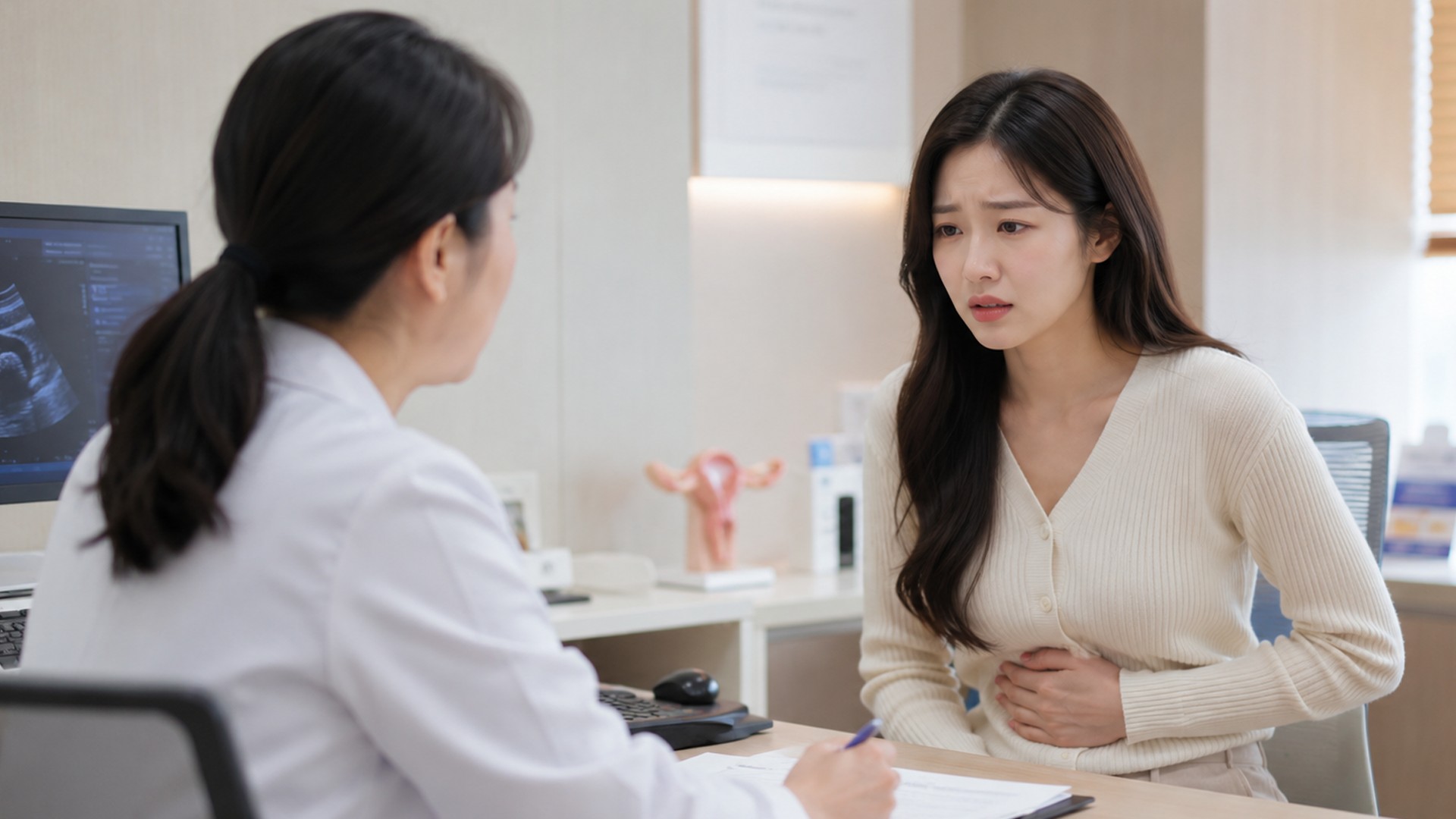
Many Thai women continue to tolerate menstrual pain and take pain medication on their own, sometimes delaying medical consultation for 4–7 years, because they mistakenly believe that menstrual pain is simply a normal experience that every woman must endure. Gynecological data suggest that approximately 10–15% of women of reproductive age (15–45 years) may be affected by endometriosis. If an ovarian endometrioma continues to grow, it can affect the surrounding ovarian tissue and may have an impact on ovarian reserve. Endometriosis can also cause pelvic adhesions that may affect the fallopian tubes and contribute to difficulties with conception. Therefore, women experiencing increasingly severe menstrual pain, pain that interferes with daily activities, or pain requiring frequent or high doses of pain medication should consider consulting a gynecologist for proper evaluation and diagnosis. Early assessment can help identify the underlying condition and allow an appropriate treatment plan to be developed.
Who Is at Risk of Developing Endometriosis?
How Can You Tell When Menstrual Pain May Be a Warning Sign?
Menstrual cramps are usually felt as a dull or aching pain in the lower abdomen during the first few days of the menstrual period. The pain generally improves significantly after taking appropriate pain medication, allowing you to continue your normal daily activities.
Pain becomes progressively more severe from month to month. For example, medication that previously relieved the pain may no longer be sufficient, requiring additional doses or stronger pain medication. Other warning signs may include:
Pain radiating to the lower back, waist, or thighs
Deep pelvic or vaginal pain during sexual intercourse
Severe cramping or pain in the rectum during bowel movements, particularly during menstruation
Don't Ignore Severe Menstrual Pain
“Enduring menstrual pain is not a measure of strength. It may mean missing an opportunity to protect your uterine and ovarian health.” Seeking evaluation by a gynecologist at an early stage can help identify endometriosis and ovarian endometriomas (chocolate cysts) before they progress and potentially affect fertility. Appropriate diagnosis and treatment can also help reduce recurring pain and enable women to return to work and everyday activities with greater comfort, confidence, and quality of life.
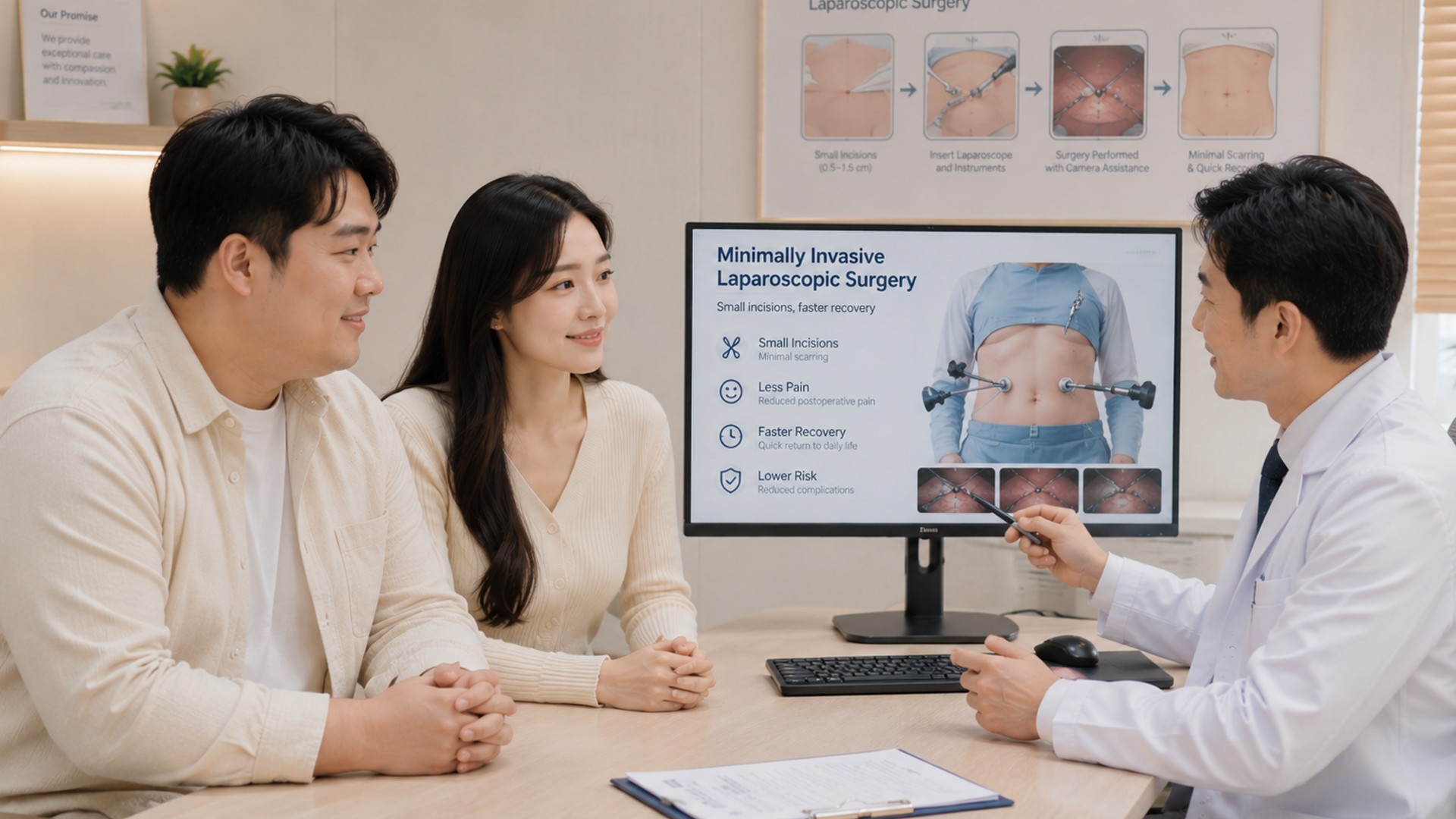
Advanced Diagnostic and Minimally Invasive Surgical Technology
Our Obstetrics and Gynecology Department focuses on accurate diagnosis and treatment while preserving as much of the patient’s healthy uterine and ovarian tissue as possible.
1. Non-Invasive Diagnostic Imaging
2. Laparoscopic Gynecological Surgery
When hormonal treatment or pain medication does not adequately control symptoms, or when an ovarian cyst is considered sufficiently large to warrant surgical evaluation, laparoscopic surgery may be considered as a minimally invasive treatment option.
Benefits of minimally invasive surgery
Smaller surgical incisions and potentially less postoperative pain
Reduced blood loss compared with conventional open surgery in appropriate cases
Potentially fewer postoperative adhesions
Shorter hospital stays, depending on the procedure and individual recovery
Faster return to normal daily activities and work
Preparing for a Transvaginal Ultrasound
After Treatment or Laparoscopic Surgery
At Thonburi Thawiwatthana Hospital, we are committed to providing comprehensive care for women’s health concerns. Our team includes experienced obstetricians and gynecologists, as well as specialists in laparoscopic surgery, supported by diagnostic facilities and minimally invasive surgical technology designed to meet international standards. We provide a private, warm, and supportive environment that respects each woman’s individual needs and concerns. Patients may also have the option to select or request a specific physician, helping them feel comfortable and confident throughout their care journey.