






The Importance of Regular Gynecological Examinations An annual gynecological examination is not simply about looking for disease after symptoms appear. It is an important form of proactive health screening that can help detect potential health problems at an early stage, particularly cervical cancer, ovarian endometriomas (chocolate cysts), and uterine fibroids, which may not cause noticeable symptoms in their early stages.
Taking time for a gynecological check-up each year can help detect abnormalities early, allowing appropriate evaluation and treatment before conditions become more complicated.
Why Are Regular Gynecological Examinations Important?
Detecting Cervical Cancer at an Early Stage
Cervical cancer remains an important health concern among women in Thailand. However, it is one of the cancers that can often be prevented or successfully treated when precancerous changes or cancer are detected early.
Detecting “Silent” Conditions in the Pelvic Region
The uterus and ovaries are located deep within the pelvis. Some gynecological conditions may develop without obvious pain or other noticeable symptoms.
Protecting Against Pelvic Adhesions
Gynecological conditions such as endometriosis and pelvic inflammatory disease (PID) may cause inflammation and pelvic adhesions if left untreated. In some cases, adhesions can affect the fallopian tubes and contribute to difficulties with conception. Early evaluation and appropriate treatment can help manage these conditions and protect reproductive health.
Detecting and Treating Vaginal and Pelvic Infections
Abnormal vaginal discharge, unusual odor, or itching may not always be caused by a common yeast infection. These symptoms can also be associated with bacterial infections or sexually transmitted infections (STIs), including chlamydia and gonorrhea. If left untreated, certain infections can spread to the upper reproductive tract and cause pelvic inflammatory disease (PID), which may lead to chronic pelvic pain and other reproductive health complications.
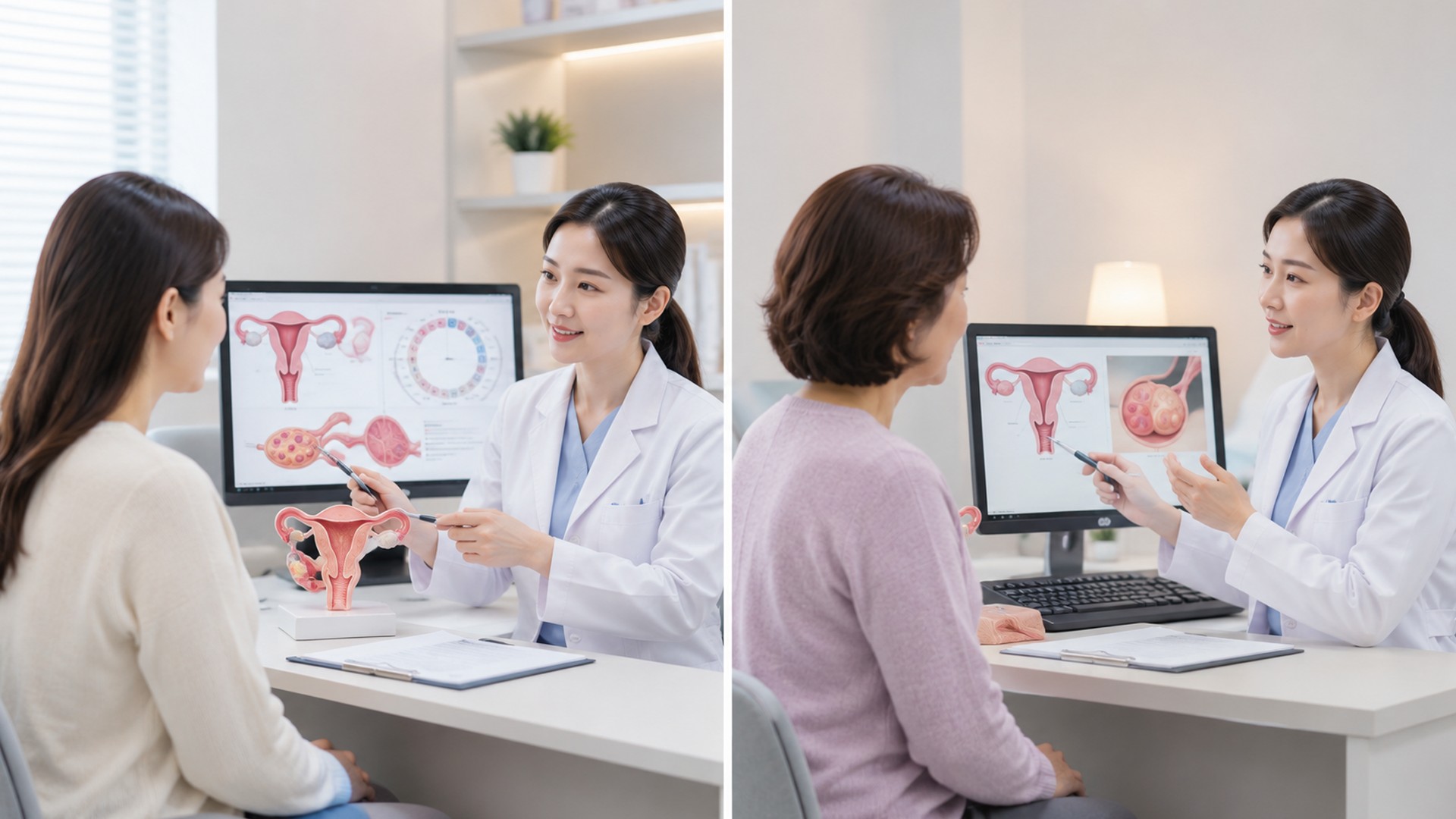
Age-Appropriate Women's Health Assessment
Who Should Consider a Gynecological Examination?
Women aged 30 and above, based on individual health needs and recommended screening schedules.
Women who are sexually active, who should follow current cervical cancer screening recommendations based on age, risk factors, and previous screening results.
Women experiencing unusual symptoms, such as increasingly severe menstrual pain, unexpected vaginal bleeding or spotting, irregular periods, deep pain during sexual intercourse, or vaginal discharge with an unusual color or odor. These symptoms should be evaluated by a doctor rather than waiting for the next annual check-up.
At Thonburi Thawiwatthana Hospital, we are committed to providing comprehensive care for women's health concerns. Our team of obstetricians and gynecologists is supported by diagnostic facilities and minimally invasive surgical technology designed to meet international standards. We provide a private, warm, and supportive environment where every woman's individual concerns and needs are respected. Patients may also have the option to select or request a specific physician, helping them feel comfortable and confident throughout their healthcare journey.