





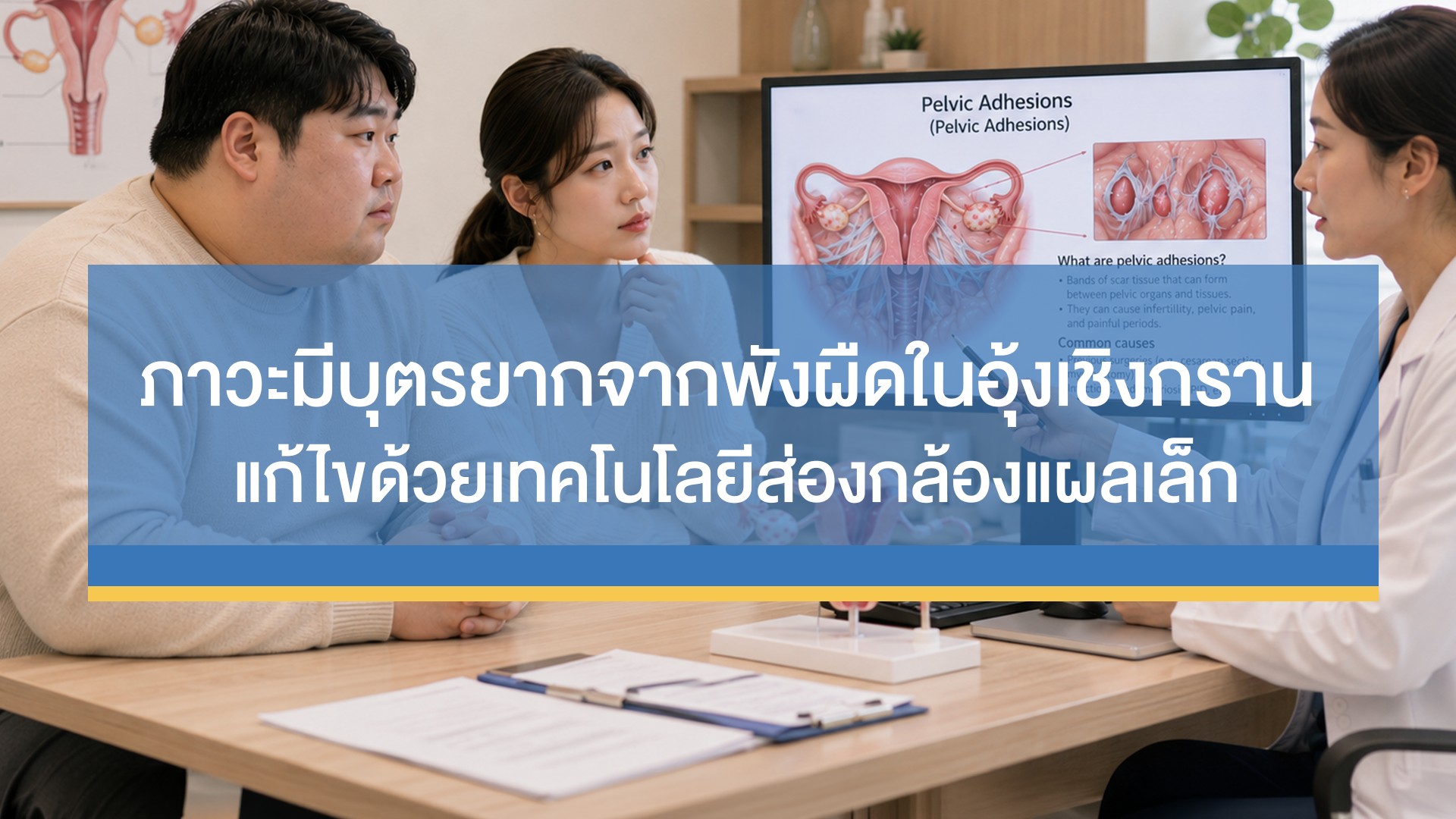
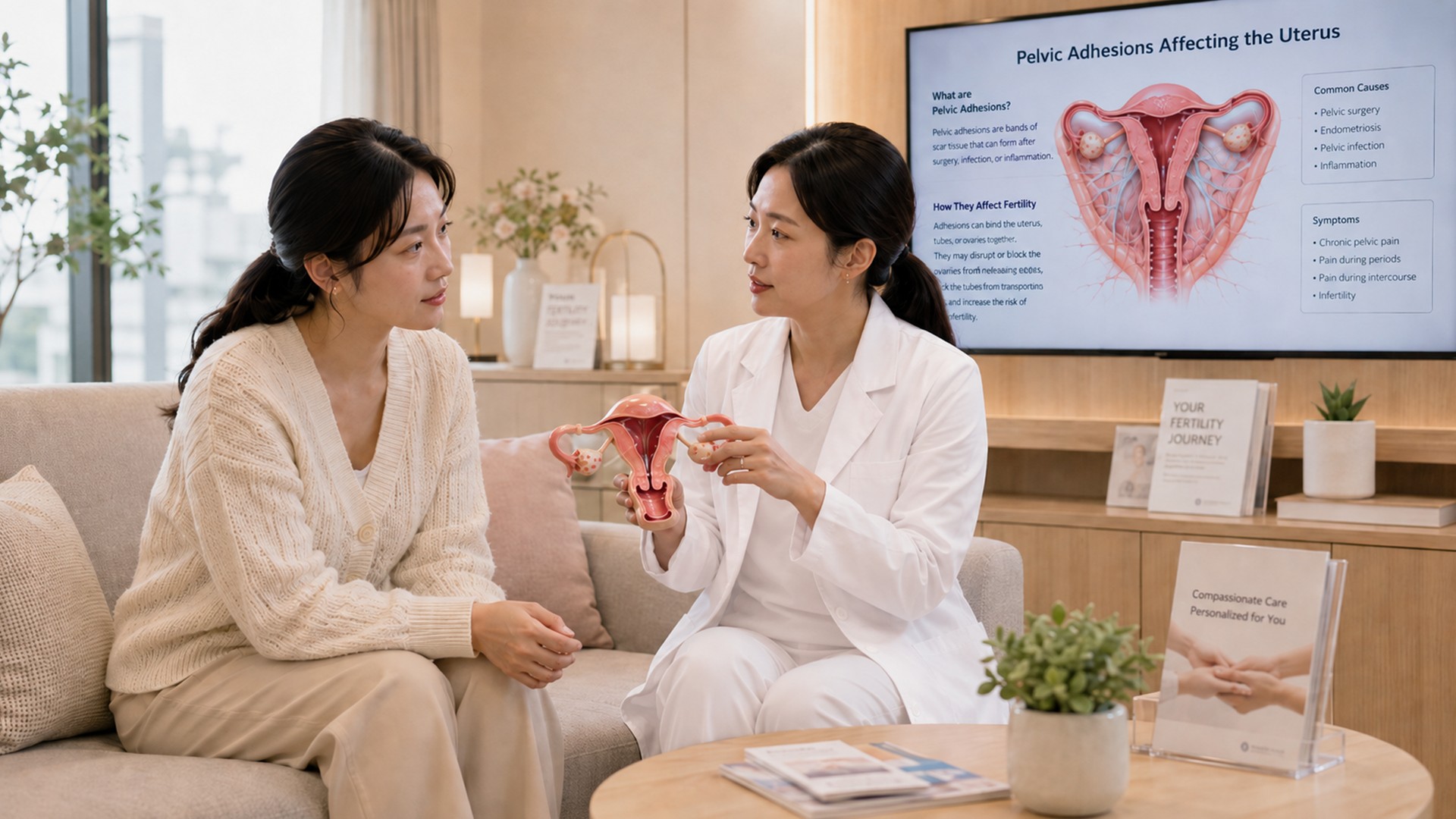
Infertility Caused by Pelvic Adhesions (Pelvic Adhesions) refers to the formation of bands of scar tissue or fibrous tissue that can connect and restrict movement between organs within the abdomen and pelvis, such as the uterus, ovaries, fallopian tubes, and intestines. These adhesions may cause organs to become abnormally attached to one another and can interfere with their normal function. Common symptoms that may warrant medical evaluation include chronic lower abdominal or pelvic pain, increasingly severe menstrual pain, and deep pain during sexual intercourse. Pelvic adhesions may distort or restrict the fallopian tubes, potentially interfering with the normal movement of the egg and sperm and contributing to difficulties with conception.
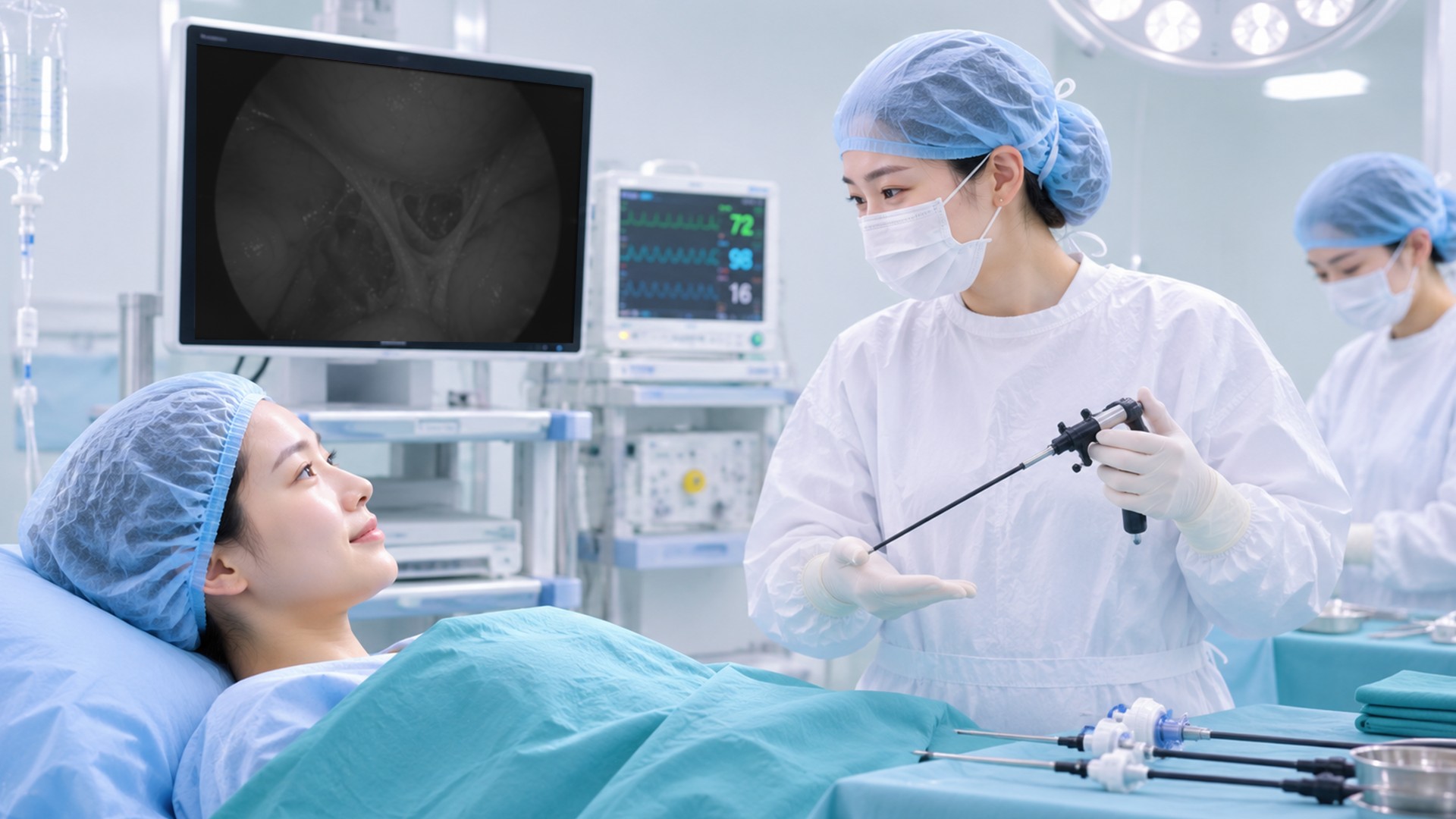
When treatment is indicated, laparoscopic adhesiolysis, a minimally invasive surgical technique, may be used to carefully identify and separate adhesions. The procedure aims to restore the normal anatomy and mobility of the reproductive organs while preserving healthy tissue whenever possible, which may help improve the chances of conception in appropriately selected patients.
The Hidden Truth Women Planning for Pregnancy Should Know
Medical evidence suggests that people who have previously undergone open abdominal surgery, such as an appendectomy or cesarean section, may develop abdominal or pelvic adhesions afterward. Reported rates vary widely depending on the type of surgery and other factors, with some studies reporting adhesion formation in up to 60–90% of cases following certain types of abdominal surgery. Among women experiencing infertility, pelvic adhesions may be one of several contributing factors, particularly when they affect the fallopian tubes or alter the normal anatomy of the reproductive organs. Importantly, many women with pelvic adhesions may have no obvious symptoms and may not know they have adhesions until they experience difficulty conceiving. Because early-stage adhesions may not cause noticeable pain, women who have a history of abdominal or pelvic surgery, endometriosis, pelvic infection, or unexplained infertility may benefit from discussing their reproductive health and fertility concerns with a gynecologist.
Check the Warning Signs: Could You Have Hidden Pelvic Adhesions?
1. How Can Pelvic Adhesions Affect Fertility?
Pelvic adhesions can be compared to a “web” or “glue” that causes internal organs to stick together or become displaced from their normal positions. When it comes to fertility, adhesions may develop around important reproductive structures and affect their normal function in several ways:
2. Which Women in Their 30s and 40s May Be at Higher Risk?
3. What Warning Signs Should You Look Out for Before Seeing a Doctor?
If you experience persistent pelvic pain, increasingly severe menstrual pain, pain during sexual intercourse, or difficulty conceiving, consult a gynecologist for an appropriate evaluation. Some pelvic adhesions may cause few or no symptoms, so symptoms alone cannot confirm whether adhesions are present.
Screening and Evaluation for Pelvic Adhesions
Pelvic adhesions can be assessed and the risk of adhesions evaluated through several diagnostic approaches, including the following:
1. Gynecological Examination
A pelvic examination allows the gynecologist to assess the uterus, ovaries, and surrounding pelvic structures and identify findings that may suggest an underlying gynecological condition.
2. Gynecological Ultrasound
Although the adhesive bands themselves cannot usually be seen directly on ultrasound, an experienced gynecologist may identify indirect signs that suggest the presence of pelvic adhesions, such as:
The ovary appearing fixed or pulled into an abnormal position, for example, located behind the uterus.
Detection of underlying conditions associated with pelvic adhesions, such as an ovarian endometrioma (chocolate cyst) or an enlarged uterus associated with adenomyosis.
3. Hysterosalpingography (HSG)
Hysterosalpingography (HSG) is an X-ray procedure performed in a radiology setting. A contrast dye is introduced through the cervix into the uterine cavity, followed by a series of X-ray images to observe the flow of the contrast through the fallopian tubes.
HSG can help determine whether the fallopian tubes are narrowed or blocked and can provide information about the passage of contrast through the tubes. Abnormal tubal position or contour may sometimes suggest pelvic adhesions; however, HSG cannot directly visualize pelvic adhesions. A comprehensive evaluation by a gynecologist is important because no single test can reliably diagnose all pelvic adhesions. In selected cases, laparoscopy may be required to directly visualize and, when appropriate, treat adhesions.
Treatment Approaches and Technology: Removing Pelvic Adhesions to Support Fertility
Our hospital understands the concerns of women in their 30s and 40s who may face time-related fertility considerations and age-related changes in ovarian reserve. We offer treatment approaches that focus on preserving the reproductive system and healthy tissue whenever possible.
1. Laparoscopic Adhesiolysis
When pelvic adhesions are identified as a significant factor affecting reproductive anatomy or fertility, minimally invasive laparoscopic surgery (MIS) may be considered.
Importantly, while laparoscopic techniques and adhesion-prevention measures may help reduce the risk of postoperative adhesions, no surgical technique can completely eliminate the possibility of adhesions recurring. The appropriate approach depends on the individual patient's condition, fertility goals, and overall health.
Preparation and Self-Care Guidelines
Before Your Examination or Treatment
Track your menstrual cycle and symptoms: Record the dates of your menstrual periods and the severity and characteristics of any pain. This information can help your doctor assess your symptoms and plan further evaluation.
Consult a specialist: See a gynecologist for an appropriate evaluation, which may include a gynecological ultrasound. If indicated, your doctor may recommend hysterosalpingography (HSG) to assess whether the fallopian tubes are open or blocked.
After Laparoscopic Adhesiolysis
Start moving gradually: Follow your medical team's advice about getting out of bed and walking gently after surgery. Early mobilization can support recovery and help stimulate normal bowel function.
Avoid strenuous activities: Avoid heavy lifting and strenuous exercise during the first 2–4 weeks, or for the period recommended by your surgeon.
Plan for pregnancy with your doctor: After adhesiolysis, the appropriate timing for attempting pregnancy varies depending on the extent of the adhesions, the condition of the reproductive organs, ovarian reserve, and other fertility factors. Work closely with your fertility specialist to develop an individualized plan for conception.
At Thonburi Thawiwatthana Hospital, we are committed to providing comprehensive care for women's health and fertility concerns. Our team includes specialists in Obstetrics and Gynecology, Reproductive Medicine, and Gynecologic Surgery, with expertise in minimally invasive laparoscopic procedures for reproductive health conditions.Supported by advanced medical technology, specialized surgical equipment, and compassionate care, our team works closely with each patient to develop an individualized treatment plan. Our goal is to help women navigate fertility concerns with confidence and prepare for the possibility of welcoming a new member into their family. We are dedicated to supporting women in maintaining their health, confidence, and quality of life, helping them safely return to the lifestyle they love.