




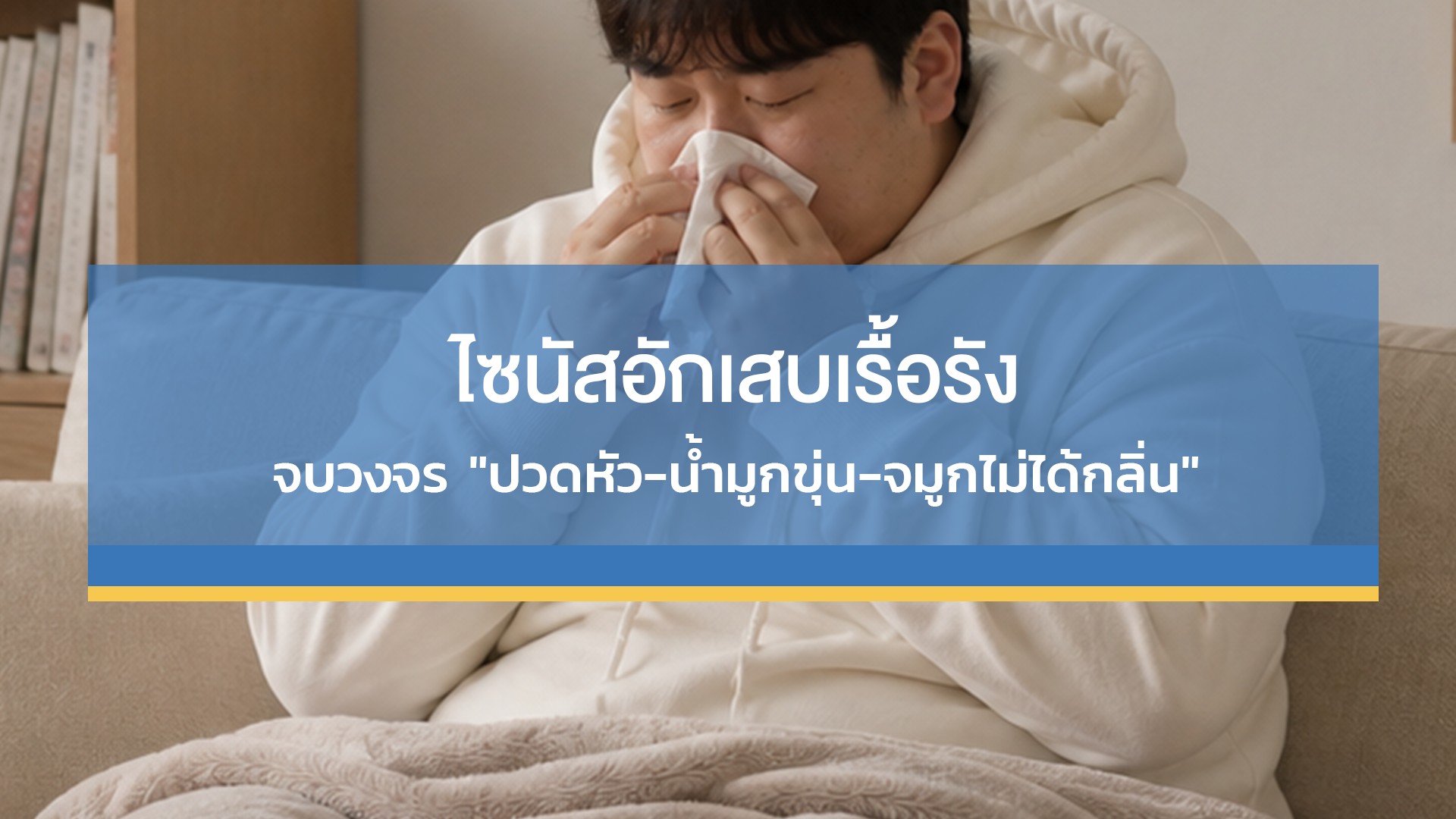
Chronic Sinusitis is a condition in which the tissues lining the sinuses remain inflamed for 12 weeks or longer. Persistent inflammation can cause swelling of the sinus lining and impaired drainage of mucus, which may contribute to recurrent or persistent infection. Common symptoms include nasal congestion, thick yellow or green nasal discharge, facial pressure or discomfort, and a reduced sense of smell. Chronic sinusitis can significantly affect quality of life and sleep. Environmental factors, including exposure to air pollution and PM2.5 fine particulate matter, may also aggravate nasal and sinus inflammation, particularly among people living in heavily polluted urban areas.
Treatment options range from medications and specialized medical therapy to Functional Endoscopic Sinus Surgery (FESS) when appropriate. FESS is a minimally invasive endoscopic procedure designed to improve sinus drainage and ventilation while addressing underlying sinus disease, helping patients breathe more comfortably and improve their quality of life.
First Step: Distinguishing a Common Cold from the Early Signs of Sinusitis
Early Symptoms: Warning Signs Before Sinusitis Develops
Sinusitis does not always develop suddenly. It may gradually develop following a trigger or an upper respiratory condition. Early warning signs may include:
Early sinusitis symptoms can develop following a prolonged cold or allergic rhinitis, particularly when nasal congestion persists for more than 10 days and is accompanied by facial pressure or pain. The risk of recurrence depends on the underlying causes and how well contributing factors are controlled. Managing allergic rhinitis and maintaining good nasal hygiene, including regular saline nasal irrigation when appropriate, may help keep the nasal passages clear and reduce symptoms.
Who Is at Higher Risk and Should Be More Vigilant?
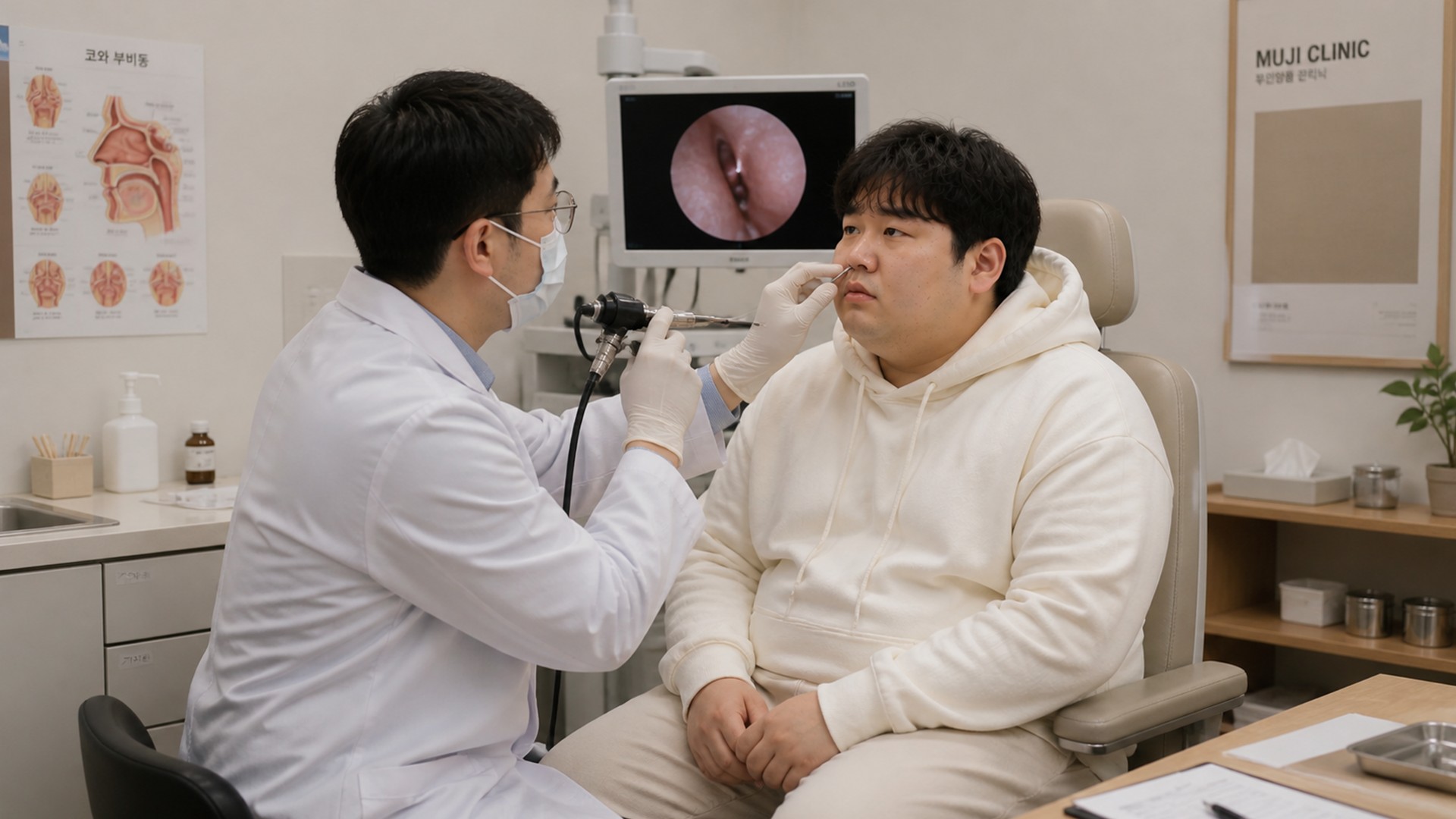
People with allergic rhinitis : Chronic nasal allergies can cause persistent swelling of the nasal lining, which may narrow or obstruct the sinus drainage pathways.
People with structural nasal abnormalities : Conditions such as a deviated nasal septum or nasal polyps can interfere with normal sinus drainage.
People with weakened immune systems : Individuals with certain underlying medical conditions, inadequate rest, or impaired immune function may be more susceptible to persistent or recurrent infections.
People with a history of upper molar infections : Infections involving the upper molars can, in some cases, spread to the nearby maxillary sinus.
Smokers and people exposed to secondhand smoke : Both active smoking and secondhand smoke can irritate the nasal and sinus lining. Exposure to cigarette smoke and e-cigarette aerosol may also contribute to airway inflammation.
What Causes Sinus Inflammation to Persist?
One important factor is obstruction of the sinus drainage openings. This may be associated with nasal swelling, inflammation, environmental pollutants, infection, or structural abnormalities. Recurrent bacterial infection may contribute in some cases.
If significant sinus inflammation is left untreated, complications can occasionally develop, including infection spreading to tissues around the eye or, rarely, the tissues surrounding the brain. Appropriate evaluation and treatment can help relieve symptoms such as facial pressure and chronic headaches and improve quality of life.
Treatment Technology: From Medication to Endoscopic Sinus Surgery
Today, chronic sinusitis can be managed using a range of treatment options. Your ENT specialist will determine the most appropriate approach based on your symptoms, underlying cause, examination findings, and imaging results.
Potential benefits:
No external surgical incision
Generally less postoperative discomfort than traditional open surgery
Minimally invasive approach
Relatively rapid recovery, depending on the extent of surgery and individual circumstances
3. Balloon Sinuplasty : This technique uses a small balloon catheter to gently widen selected sinus drainage pathways. It may be appropriate for certain patients and conditions. The decision depends on the individual anatomy, type of sinus disease, and the ENT specialist's assessment.
Self-Care and Recovery
Before Treatment or Surgery
Keep a record of your symptoms and any medications you regularly take and share this information with your doctor.
If you smoke, discuss smoking cessation with your healthcare provider. You may be advised to stop smoking before a procedure to support healing and reduce respiratory risks.
Learn the correct technique for saline nasal irrigation according to the instructions provided by your healthcare team.
After Treatment or Surgery
Can Chronic Sinusitis Come Back After Treatment?
A common concern among patients is: “Will sinusitis be completely cured after treatment?” The answer is that sinusitis can recur, particularly when underlying contributing factors remain uncontrolled. However, appropriate long-term management can help reduce symptoms and the risk of recurrence.
Factors That May Increase the Risk of Recurrence
At Thonburi Thawiwatthana Hospital, we are committed to providing comprehensive care for patients with sinus and other ENT conditions. Our Ear, Nose and Throat (ENT) specialists provide detailed assessments and individualized treatment plans based on each patient's symptoms, anatomy, and lifestyle.For selected conditions, our specialists may also consider advanced technologies such as radiofrequency (RF) treatment, with carefully controlled energy delivery designed to minimize unnecessary effects on surrounding tissues. A thorough evaluation is performed before treatment to determine whether RF or another approach is appropriate for the individual patient.Our goal is not simply to treat the condition, but to design a treatment approach that is tailored to each patient's health needs, lifestyle, and individual goals, helping them breathe more comfortably and return to everyday life with confidence.