Messenger

Magnetic Resonance Imaging (MRI)

Centers and Programs

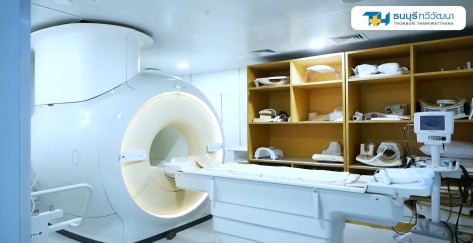
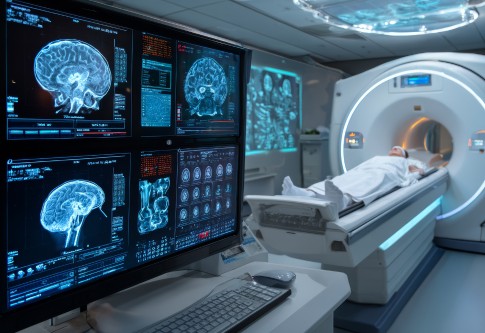
Overview: The MRI Department at Thonburi Thawi Watthana Hospital provides diagnostic services for internal organ abnormalities using a Philips Ingenia 1.5 Tesla MRI machine. This magnetic resonance imaging technology can create sharp, realistic images of the body in all planes, especially "soft tissues" that may not be clearly visible with conventional X-rays. This allows doctors to accurately, quickly, and safely diagnose complex diseases.


Why choose MRI here?

  • Safe and Radiation-Free: Uses magnetic resonance imaging instead of X-rays, making it safe for tissues.
  • High-Resolution Images: Excellent for examining soft tissues, nerves, and blood vessels. It can clearly show abnormalities hidden behind bones.
  • Convenient: Examination is possible in all planes without the patient needing to frequently change position.
  • Kidney Patient Friendly: Can perform examinations even in patients with renal failure, a limitation of some other diagnostic tools.
  • Early Detection of Abnormalities: Helps differentiate between different tissue characteristics in detail, allowing for early detection of lesions and increasing the chances of a cure.

Scope of Service:

We provide diagnostic services covering all parts of the body. Focusing on the following key disease groups:

1. Brain and Nervous System (Neuroimaging):

  • Brain tumors
  • Stroke
  • Dementia and Alzheimer's disease
  • Epilepsy and chronic headaches
  • Inflammation or Multiple Sclerosis (MS)

2. Spine and Musculoskeletal System (Spine & MSK):

  • Disc herniation and spinal degeneration
  • Osteoarthritis (knee, hip)
  • Sports injuries (e.g., ligament tears, cartilage injuries)
  • Bone and soft tissue tumors

3. Abdomen and Pelvis:

  • Abdominal organs: Screening for tumors or cancer in the liver, kidneys, spleen, pancreas, gallbladder

Pelvis: Examination of the uterus, ovaries, prostate, bladder


Who is this test suitable for?

  • Individuals with chronic disorders affecting the nervous system, muscles, or joints.
  • Those requiring thorough examination of internal organs (e.g., liver, kidneys, uterus).
  • Patients requiring follow-up after treatment.
  • Those wishing to avoid X-ray exposure.